


Trenton ReynoldsIt is Saturday, June 18th, 2016. This is Room in the Trees, a podcast about being a fort builder. an adventurer. It's about living life, negotiating life, as a creative person. The following was recorded on June 2nd, 2016. This is episode number nine, John Kent Harrison Returns, part John Kent Harrison. I want to take a moment here to tell you that a pretty good chunk of this part of our conversation is focused on me. And I'm not entirely comfortable with that. In fact, we discussed some rather personally sensitive details. I don't think my challenges and demons are unique, though. And I'm hoping someone out there will benefit, as I did... from the wisdom and life lessons that were shared. I do believe, as you will hear said, that this artist thing is a brother and sisterhood, and we have to give to each other. And now the second half of our conversation with Sabrina's father, John Kent Harrison.
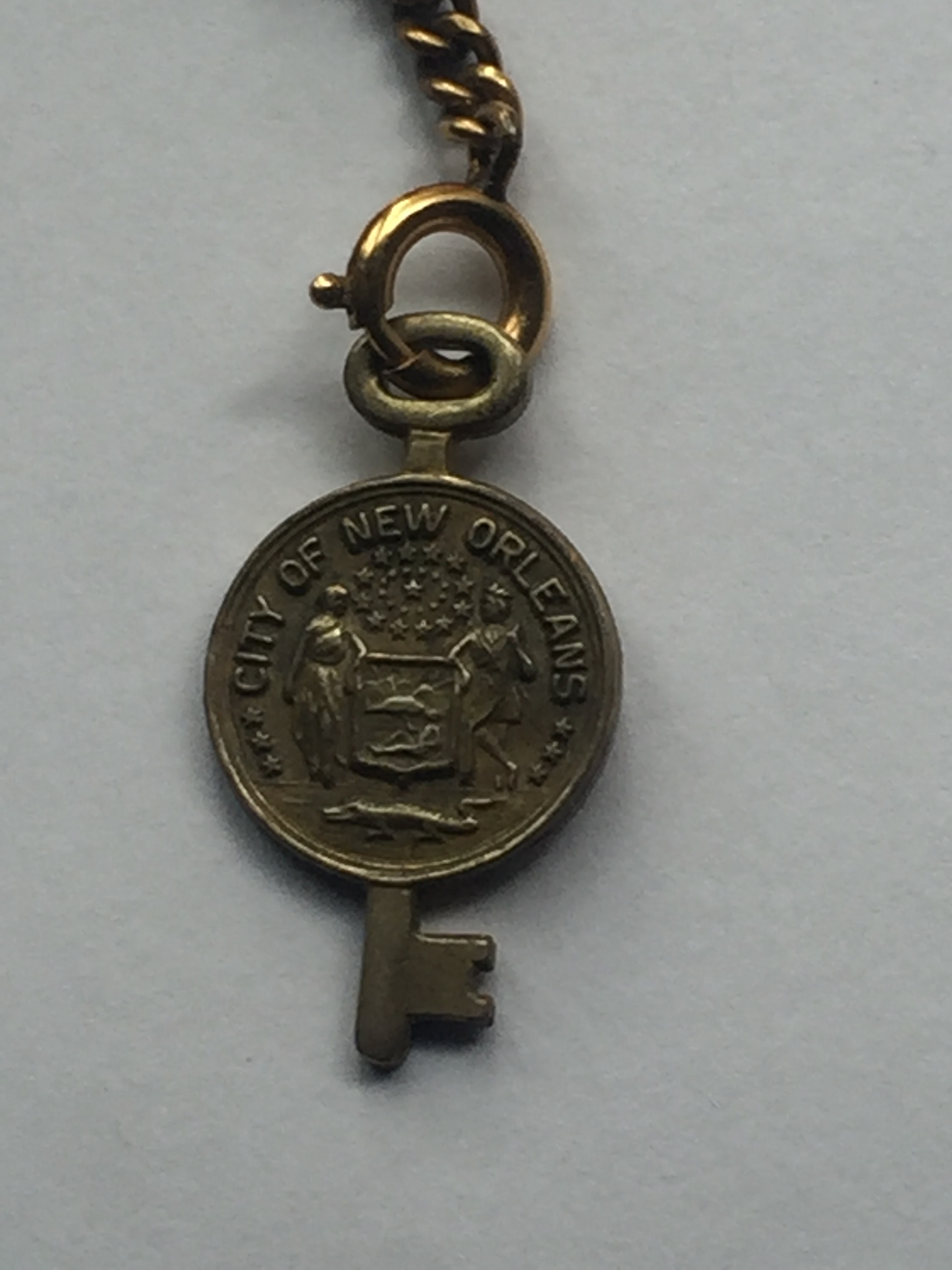
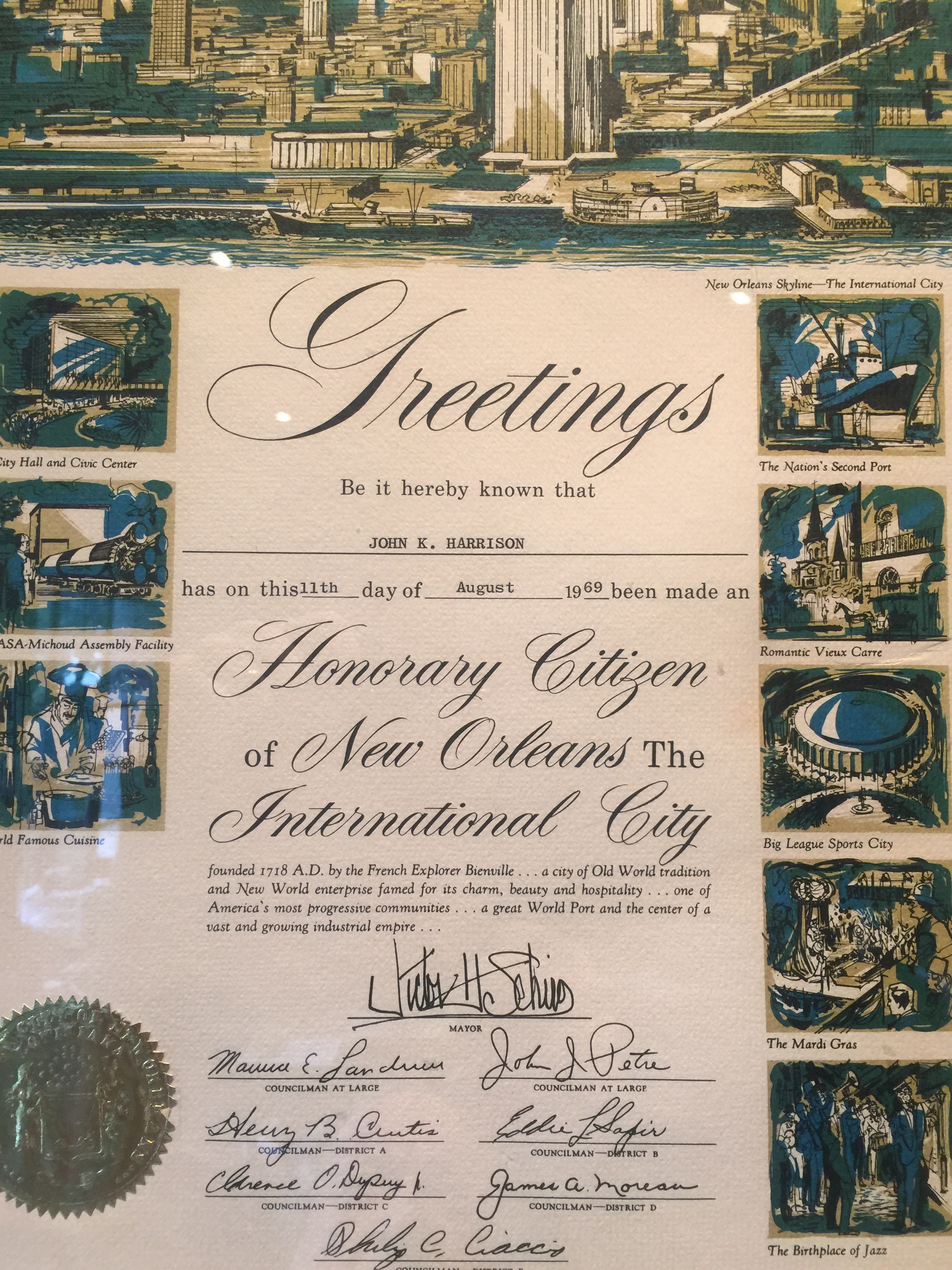
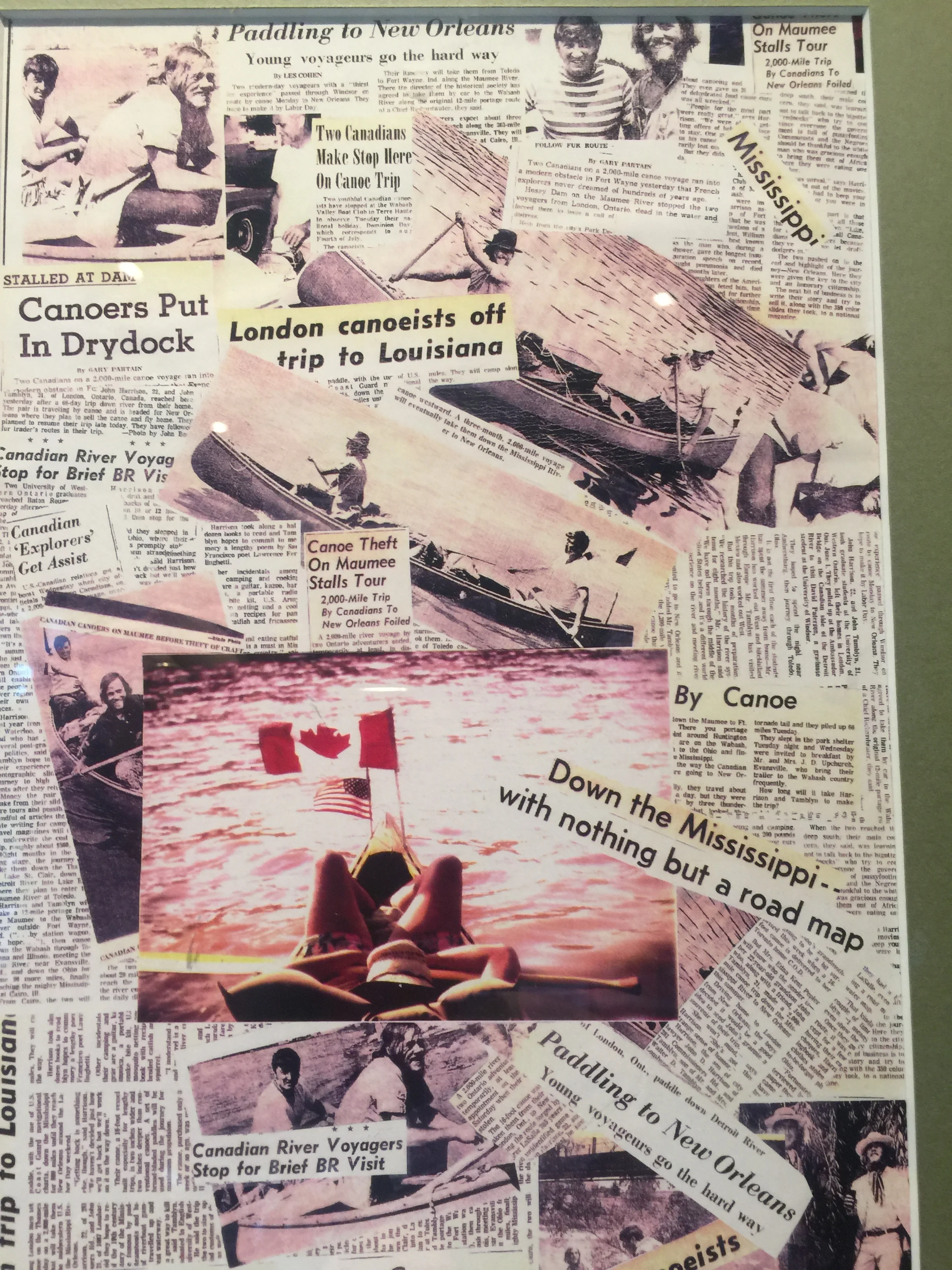
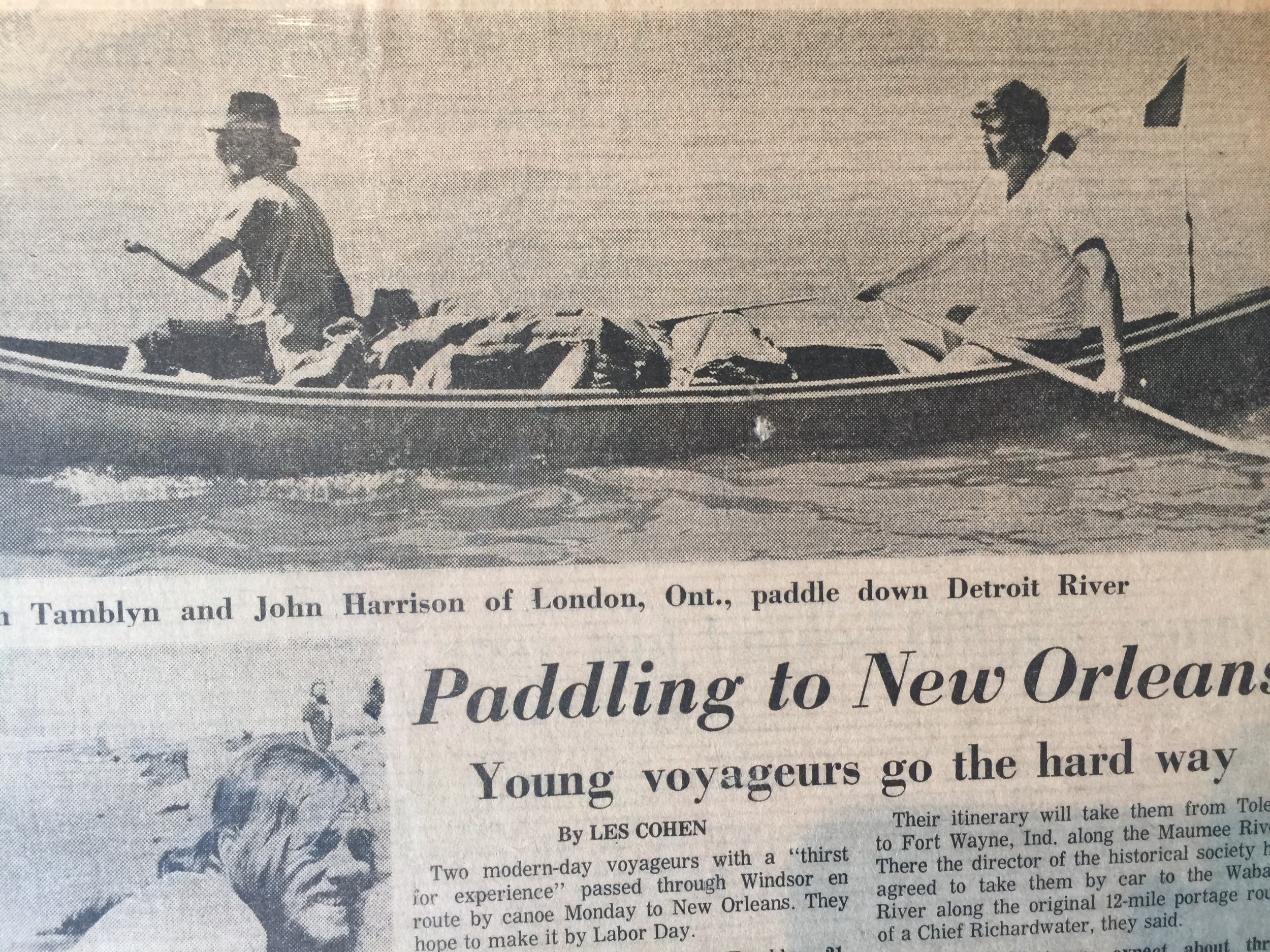
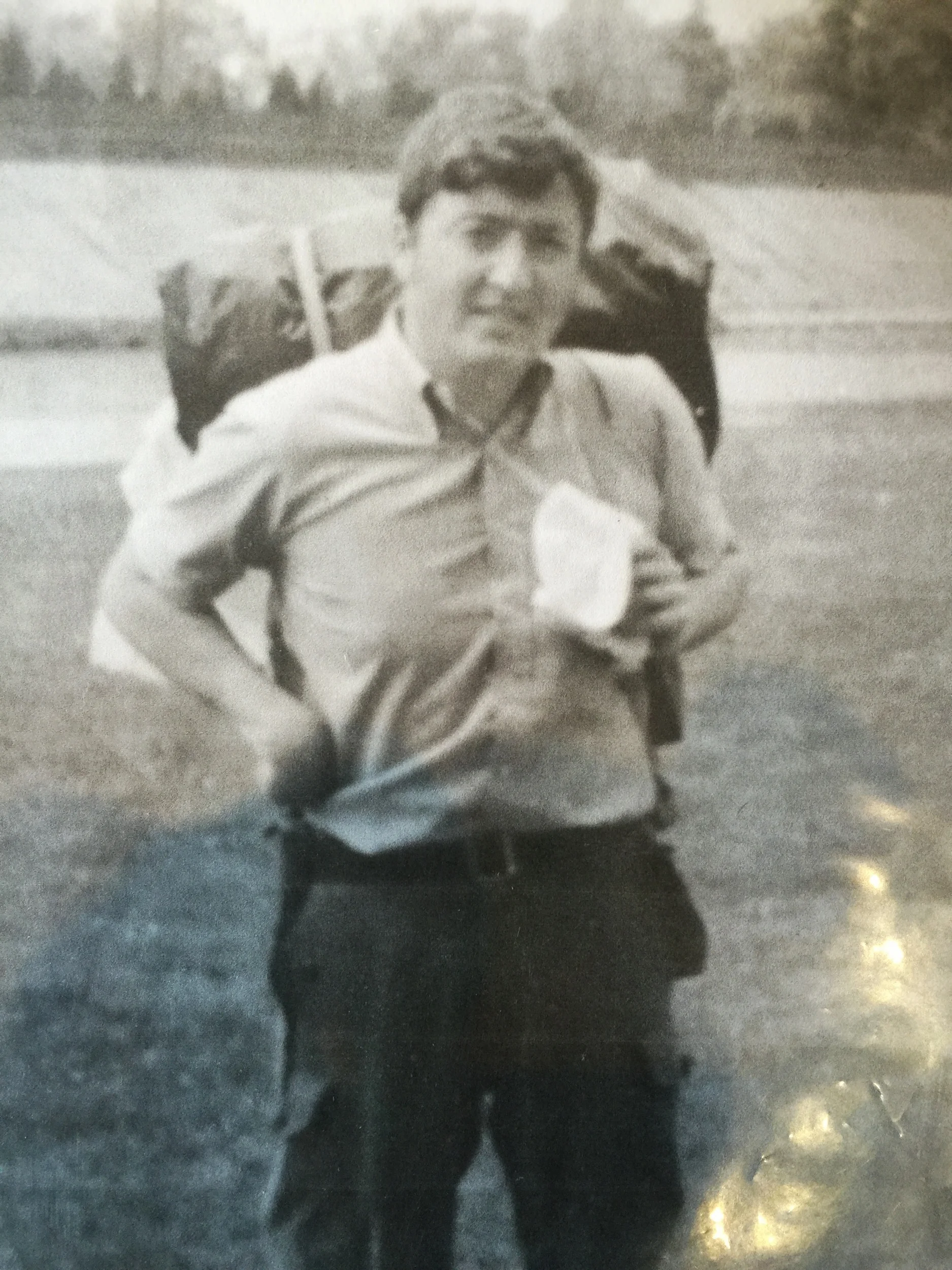
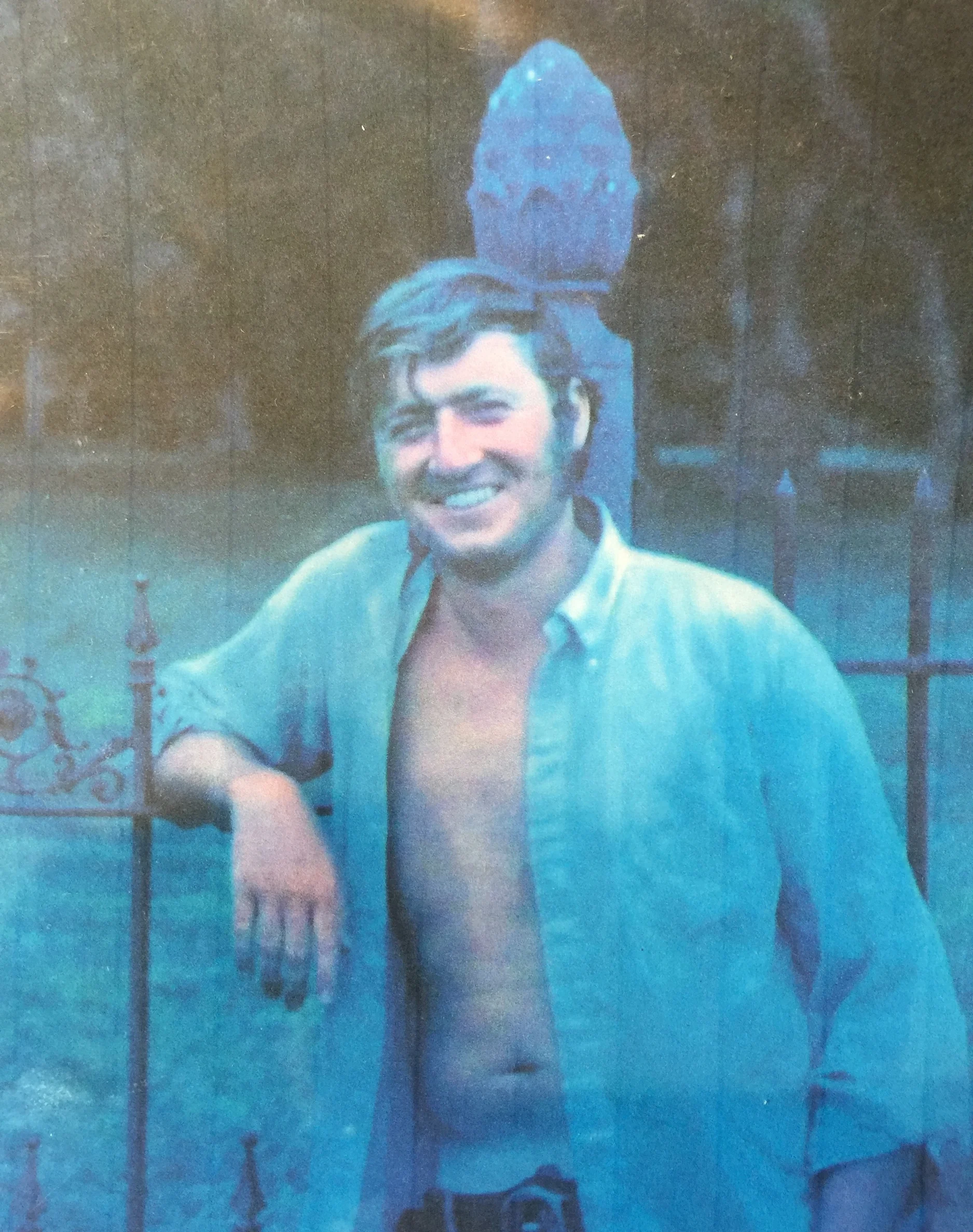
John Kent HarrisonIn writing this book, I think one of the things we talked about was going on this adventure down in Mississippi from my hometown in London, Ontario in the summer of 1969, really naive young guys. And we got a letter from the mayor of New Orleans saying that if we followed the fur trading routes and did this courageous journey, he'd give us the key to the city honorary citizenship and a free dinner at the Playboy Club and we were off like a rocket. and had many adventures and things, and tried to figure out why I did it, 'cause it was a really crazy thing to do, to go into the deep south in the late 60s, when I'd never even met a black person, so I knew nothing.
And,
John Kent HarrisonSo we survived it, and it was life-threatening and life-changing. But now that I'm writing the book, I can look back and I see, oh, I get it now, I get it. You know, anybody who's not done well, failed in school, failed in sports, or not failed, but it wasn't their thing, and you just don't have any sense of worthiness. Suddenly somebody says... I'll give you the key to the city, honorary citizenship, and all you have to do is get here. There's no race or anything. You just have to get here. And that fed into what I had said eventually when I went to college and all that, I realized, In the early 70s, I said I just want to have an original life. I want to live my own life. I get one shot at this, and I want to do what other people have done. I want to do something that works for me. And to do that, you've got to suffer a lot of, you know, humiliation. And, you know, you get a lot of criticism for doing a thing that's outside the norm. But you've just got to go up with it.
Hmm.
John Kent Harrisonand find the thing that you want to do and then do it as well as you can. And having an original life was, and I had an appointment with my therapist today and we were talking about this and she said, I don't know how to measure having had a successful life. You have a family, you have this, well, what? You have a dream and you get it. And I wanted to have an original life and I got it. You know, and I feel so lucky and blessed that that happened. And the canoe trip was the first step in that direction.
Trenton ReynoldsIs this something that you think that everybody should aspire to?
John Kent HarrisonNot at all. No. I wouldn't wish it on anybody. But I was just, for some reason, wired in a way that I just could not do. No. but my parents' generation did. And the choices were so limited at that time. I mean, I had no idea about film. I didn't even see films. I didn't know people directed them. And if they did, I didn't realize they got paid. So I didn't know. You can work a lawyer. You could be a doctor. You could work for Paul Moll of Colgate. You could work for IBM. big corporations. I'd never been an artist, so I didn't know about that. Nor had I been an actor or anybody in that community.
Sabrina Ward HarrisonWhen did that happen for you, Dad?
What?
Sabrina Ward HarrisonReally discovering film and writing. When was that sort of discovery beginning?
John Kent HarrisonWell, I ended up having a short stint as a stockbroker after college, and that didn't go well. And I went back to do a master's degree in English literature, and I studied poetry. and somebody made their own movie of one of the poems and I didn't know how that was possible. And they showed it, we had some professor had a dinner party and this person showed this movie and I didn't realize you could make your own movies, but I'd done a lot of photography. I had my own dark room when I was a kid and I got into photography when I was about 12. So that really impressed me and then I found out where they did that and that was Concordia, so I went to Concordia the next year and I started studying film. But it was, again, it wasn't like a movie. I wasn't looking at movies and getting turned on. I was looking at someone's personal movie they'd made out of a crazy Coleridge poem called "Christabel." And it was this wild, wacky, you know, super eight movie. And I just never seen anything like that.
Trenton ReynoldsAnd the thought or realization that you could do that too was enough to inspire you?
John Kent HarrisonYeah, then I started seeing Fellini movies. And once I saw Fellini movies, I see, I can tell a story this way. And I can put the camera in a place that the audience would never guess. But the audience knows or learns something new by the way, by the angle I have of the camera. I show the audience something that tells part of the story. And I really sort of intuitively understood that. It was poetry and photography put together. And then I just learned by failure. I made a really lot of bad little movies.
Yeah.
Trenton ReynoldsOne of the things, there are stories that you told in our first conversation was that of going to, I don't know, was it a writers guild, screenwriters guild meeting or something like that?
John Kent HarrisonThere were 2,200 writers in the writers guild there. I had just become a new member and it was the first meeting. And a person said there are only 300 of these people working time. And that was the last meeting I ever went to. I never wanted to see the competition again. I just put it out of my mind.
Sabrina Ward HarrisonThat's where you have it right now about the unfortunate thing of social media because...
John Kent HarrisonYeah, you're there.
Sabrina Ward HarrisonIt's such a shame. It's so confusing. I find it... Because as you're talking, I've always felt clear with... my own path, but when you're just bombarded with 85 billion other people showing their prop, what their path is, what they've just done, and blah blah blah. Yeah. It's exactly that, it's being in a room constantly by that, and you kind of
John Kent Harrisoncan't get your mind clear. Yeah, I understand that. I can see that. I've seen that, how that works. Right.
Trenton ReynoldsI can imagine being in a situation like that where you just have thousands of people surrounding you wanting to share their ideas and prove themselves to you and also constantly making comparisons and judgments.
John Kent HarrisonOh, the comparison thing is the killer.
Yeah.
Sabrina Ward HarrisonYeah. Trent, what is your thing about that for you?
Trenton ReynoldsOh, the comparison that I always make that is the only one that seems to matter to me is to my brothers. And I guess to my dad, too. And I think, you know, just in terms of how they view success... I don't know. As far as creatively, I honestly don't feel too much stress about comparing. I don't know. I don't think I'm a very cool person. Or like, you know, I'm not worried about kind of my image in the art world because I don't have any illusion that I, you know, have some privileged place. That's not really what it's about to me. But in terms of like where my mind goes and my demon voices, it's looking at where I am at and how I provide for my family and where I live. I live in an apartment, I don't have a house, you know, like those types of comparisons are, are the hardest for me to,
John Kent Harrisonwhere are you, where are you going to go professionally? Where are you going to go with your painting? Are you going to become more commercial and become a full-time painter or what do you think?
Trenton ReynoldsWell, that's, that is kind of the crossroads I'm at a little bit, or the tough spot is I've got a little bit of a chicken and egg problem where I I can't get a teaching job or a better teaching job than I already have without some more gallery showing but I can't make money that way and I need to make money I need to so it's like I got to stop teaching and do gallery but I can't I don't know you see what I say like kind goes back and forth between those two things.
Sabrina Ward Harrison- And I don't think my dad knows about your studio space and kind of the vision you have for what you just begun.
Trenton Reynolds- Yeah, what's that? - Well, there's kind of a lot of backstory. I try to keep it short 'cause I think way too much about this stuff so I could talk way too long about it. But from the time I, starting by, at the end of my undergraduate experience, I started focusing and becoming more and more interested in collaborative art making. So using art as a way to connect with other people. And when I was in grad school, I joined this African American, like really African centric, non-denominational Christian church in the south side of Chicago. And the idea was to find a community that was very, you know, different than the one I had grown up with and use art as a way to somehow find how I related or belonged or didn't belong in that community. And I think similarly, and I did several projects along those lines, I was there for over a year and as I've headed into teaching, that teaching kind of replaced that desire to, or that interest in collaborative art making because that's how I teach. I teach very much as thinking of it as a collaborative process rather than me just disseminating where I can grow and teach private workshops. I've been teaching private workshops for the past two years out of my garage. And I never had a hard time filling those workshops with just students from the school I teach at. I have 15 students in a week, five each day. So I got to this new space and when I put the word out that I have a new space and I'm starting up workshops again, there was silence like nobody, not a word. And all of a sudden I've got rent to pay on the studio space, which I was kind of relying on or expecting I'd be able to deal with, you know, with these workshops. So that's kind of where I'm at. I was like, I've got to pay rent, and I'm not getting the response I needed or thought I would, but then after it didn't happen the way I thought it would, I got to thinking, well, maybe I shouldn't do the same thing I did before, and maybe it's time to try something new.
John Kent Harrison- There's another way of framing that.
Trenton ReynoldsPlease. Tell me.
John Kent HarrisonWhat do I have to do to get students to be in this workshop? The green card thing, same thing. You've got to do something you've never done before, and if your purpose is to get people into your workshop, you might have to stretch yourself in a way that you haven't done, and that'll be a good thing. I wouldn't advise changing the whole plan I would just make the plan work find a way to make the plan work
Sabrina Ward Harrisonand I think Trent I think adding in a little bit about also you were interested in going back to the grad school feeling of a collaborative environment a bit more but engaging with different types of students, different types of artists, different types of teaching.
Trenton ReynoldsRight. So a lot of my current students are the ones that were coming to my workshops previously were all older folks from Santa Monica College, Emeritus College, which is for retired adults. So yeah, the idea of maybe not catering or trying to appeal to that community as much and just opening it up more. and trying to bring in a wider variety of people.
John Kent HarrisonYeah, put yourself out there more. It was never comfortable for me.
Trenton ReynoldsSo what I've started to do instead of workshops, because I didn't get any response to that, I've started doing two demonstrations every week where people can come and just sit down for an hour or 30 minutes to an hour, and I demonstrate something. and I'm doing one on Tuesdays one on Thursday mornings the one on Tuesday is a traditional just basic approach to oil painting the one on Thursday we're talking about abstraction and what it is and how to enter it and what I notice is that the Tuesday class is not attended well at all and the Thursday class I'm actually six people the first time and then eight people today And it's the one that my heart is more in and I'm more interested in teaching. Anyway, so that kind of made me realize that maybe I need to start teaching or offering classes that I'm more personally invested in because my energy and interest in them is probably going to communicate or carry to other people. rather than just try to cover the basis of what I think people expect from an art class.
Yeah.
John Kent HarrisonYeah, I knew nothing about teaching, so it was only by force of personality that I got my material across. Really a dog and pony show.
Sabrina Ward HarrisonI don't think you talked about your teaching part, Dad. No.
Did I talk about it?
Sabrina Ward HarrisonYou haven't mentioned. I don't think it'd be great for you to mention because that's a big part of your life too was teaching film.
John Kent HarrisonYeah. I think I learned to become a filmmaker by teaching it. Where you're facing the embarrassment of being in front of a bunch of young people who they want to know. And you've got to show them how to do it. And... I love the teaching because it helped me explore. I learned so much. I got so many layers of understanding with film because I taught both history and theory and production. So the two got married together, and people would go out, and they'd try and recreate a scene from a Godard movie. and give it that kind of tone or create kind of the fluffier kind of truffo sort of mystical experience. And it was really fun. People would come in and they'd really try and create a Kurosawa battle or something, you know. And people learned about being filmmakers from looking at great filmmakers and it took everybody higher. It took the conversation higher, you know. And that was really fun. But I imagine if I was in your situation, if you're teaching oil painting, and it'd be like me teaching how to splice a Super 8 film, which who cares?
Sabrina Ward HarrisonNot the same, but you know what I mean? They want the soul of you.
John Kent HarrisonThey want- Yeah, they do. They want to get infused with some excitement. They want to be turned on.
Trenton Reynolds- Yeah. - So how do you reframe that, maybe accomplishing the same thing in the end or not even, I don't know. I guess that's maybe the problem is that's not, I'm not trying to accomplish the thing that people care about.
John Kent Harrison- Well, I think you're right. I think what Sabrina said about what you said is accurate, that you discovered this abstract thing is more interesting for others and is also more interesting for you. So clearly that's in that direction you should go. in teaching, you should go with it. Don't try and force it into being something you've... You know, you began this conversation about not wanting to frame things and being, you know, like your dad and the travel things, because he's a doctor, and he's a very good doctor, and he would probably plan it that way, but... you're not you're you know you're a wacky out there living on the edge kind of guy
Trenton Reynoldssort of sort of is the big yeah that's the thing is i'm constantly i'm constantly i i definitely have my dad you know my dad's impulse to plan and yeah over analyze and you know whatever put things in boxes type so i don't know i guess i got those two boys in my head. And maybe that's what I'm fighting, I guess, to a certain degree. I mean, you talked about fighting or, you know, the negative environment you grew up in. Maybe I'm trying to to fight the the careful or the planned nature of my
John Kent Harrisonupbringing. Honestly, it sounds a little bit like that. Yeah, you gotta you gotta break out of that and invent your own life and it doesn't matter what other people think easy to say I know easy to say and dad if you had
Sabrina Ward Harrisonor other brothers if I had four other sisters and like they were Really rich and had different I mean, I think what my entire life would be considered comparing myself to my sisters
so I I
Sabrina Ward Harrisonand that can stay we don't have to post you know publish that but just to be honest i mean that's
Trenton Reynoldsa huge thing to be yeah it is it is it is major yeah but so so somebody like me what is what's the advice right how do you how do you break out of that or what i mean so much of it is just a huge blind spot for me because it's been the way it i think it's i think you've got things weighted
John Kent Harrisonthe wrong way I think that the balance is tilted against you because you put more weight on that side of the scale If your vision becomes more specific, you know You reach higher to another level of an artist and you want to go there You think it's gonna be really difficult you feel fear then that's what you should do Because you have the craft for it. So all it is is getting to the zone where you can do it When you get that passion for that dream the scale will tilt in your favor I think you have to know what you're aiming at, what you want specifically.
Trenton ReynoldsOh, so hard to know.
John Kent HarrisonYeah, it is, but that's, you shut everything down, listen to the little whisper. There's a really interesting little Steven Spielberg thing I saw on the, on Facebook last week. I don't know if it's a commencement speech or what it is exactly, but he's talking to some young people. And he's talking about being able to listen to your intuition because it never shouts at you, it only whispers. And when it whispers, you've got to listen to it because that's the truth. So you've got to have a peace time. You've got to have a time where you can go to a place and really, and don't edit what that vision is. It may be ridiculous. It may be impossible, but at least label it. For me, it was to write and direct movies in Hollywood that had some value and contributed to healing the planet in some way. And it was like, that was the measurement of it. It was impossible. It was ridiculous. But it happened because of some clarity, I think, because I kept going in this, I kept aiming at it and if I didn't, the door wasn't there, I just moved down the wall a little bit and find another door and go through that one.
Right.
John Kent HarrisonAnd I think that's the most important thing for, you know, artists at your age right now, both of you. Just to get some clarity on that.
Sabrina Ward HarrisonAnd I think the format of this podcast is so interesting because it's, both Trent and I, we're not, you know, being total social. It's such an interesting way to have this conversation and put ourselves, expose kind of the process and the questions along the way. in this format and having the conversations.
Trenton Reynolds- Right, it's kind of a way to get yourself out there but still maintain a level of intimacy or a level of, I don't know.
John Kent Harrison- I have a sense of, I know Sabrina's voice pretty well and her artwork and so I have a sense of the magic she brings to it and the magic she inspires young people. There's a consistent theme to her work, and it's bigger than herself. I mean, the theme is bigger than herself, and so she creates these images with words and whatnot that have a universal appeal. So where are you with that, with your voice?
Trenton ReynoldsIt's interesting to me that you use that word because not only two days ago, I think, I was telling one of my brothers that I had this really strong impression last week after my workshop for the abstract thing that my work in this world was to help people find their voice. And you're asking me that question right now and I don't know that I can...
John Kent HarrisonThen I think maybe you should teach people how to find their voice and then that way you'll find yours.
Yeah. Hmm.
John Kent HarrisonAnd certainly that's what did it for me. I can only attest to that. I can't say it'll work for everybody, but teaching it taught me how to do it, including my voice. Right.
Sabrina Ward HarrisonThat's so poignant, Drew, I think. And I was saying to Trent, after he taught that class, I guess we had to do a quick, because we lost the audio last week, but we did a quick pop-up podcast thing. But you had just been, maybe you had taught that morning, Trent, I think? but you sound so alive and it was i mean i was moved to tears i said you know just take note of how your voice sounds so clear and strong and you know you're doing it so
Trenton ReynoldsWell, I... That's great. I think that's a good place to...
John Kent HarrisonDon't we go right back to David Bach's comment? I mean, why did I come down to Hollywood? You know, I have a rejection issue, so I face rejection every day. It's the same thing with, you know, finding a voice. Why would you teach other people how to find their voice unless you were trying to find yours?
Hmm.
John Kent Harrisoncreate what you most need to find and you'll really find it i mean you will find it yeah
you will absolutely thanks team
Trenton Reynoldsfive bucks I once again really appreciate the conversation. I feel kind of selfish in taking... You know, it's been like a therapy session.
John Kent HarrisonThat's your selfish issue, though. Nobody else cares.
See?
Sabrina Ward HarrisonBecause that's what people... That's the universal quality of it, again. Yeah. The more universal you become, you know, just...
John Kent HarrisonYeah, I think this artist thing is a brotherhood, really, a sisterhood that I think we have to give to each other.
Sabrina Ward HarrisonAnd we have to ventilate by talking about it too because it's so isolating, it's so alone and so easy to get in your head and get frozen by it.
Trenton Reynoldsthank you all for talking that was great I really enjoy it fun talking to people that concludes our conversation with John Kent Harrison we will no doubt be asking him to join us again in a future episode and now seems like a good time for a message from Sabrina
Sabrina Ward Harrisonhappy father's day to you dad I love you very very much. And happy Father's Day to you, Trent. You're a great dad to three great girls.
Trenton ReynoldsThank you. And happy Father's Day to all you out there listening. I wish for you a day of sleep. and self-indulgent eating. Take the praise and gratitude and let yourself be an awesome dad for a quick minute. Those are my plans. You can find show notes for this episode at roominthetrees.com. You can support us at patreon.com backslash room. and by rating us on iTunes and telling your friends. My brother Brent William Reynolds provided the music for this podcast, and you can hear more of his music on SoundCloud.com by searching for VentersStag.com. Motel. If you are interested in collaborating with Sabrina and I as an intern, no matter where you are in the world, you can find out more at roominthetrees.com backslash intern. Speaking of interns, join us next week for a conversation with one of Sabrina's best friends and first intern, Nicole Forte.