


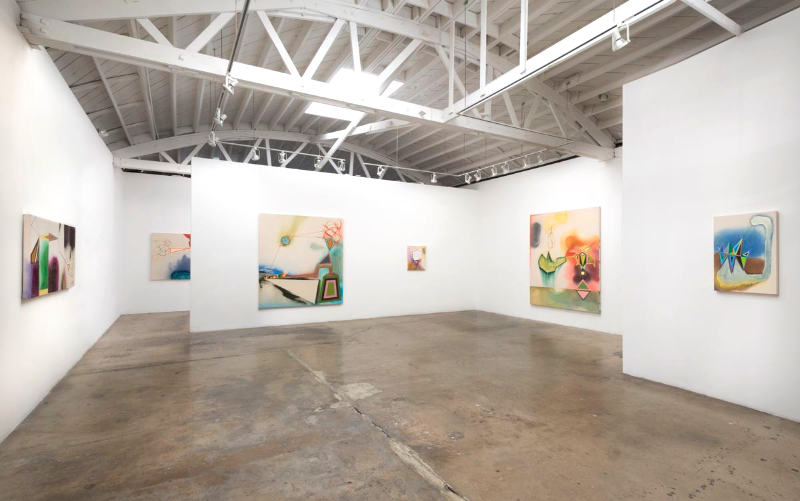
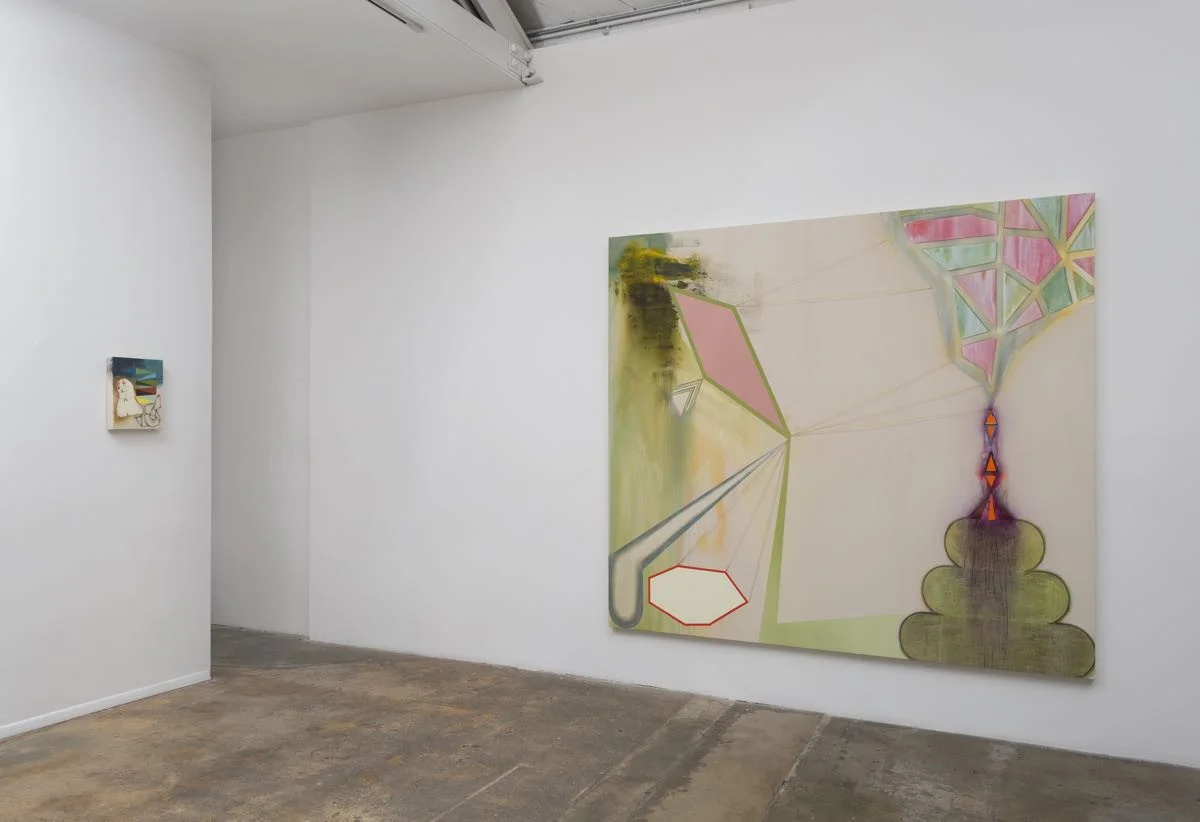
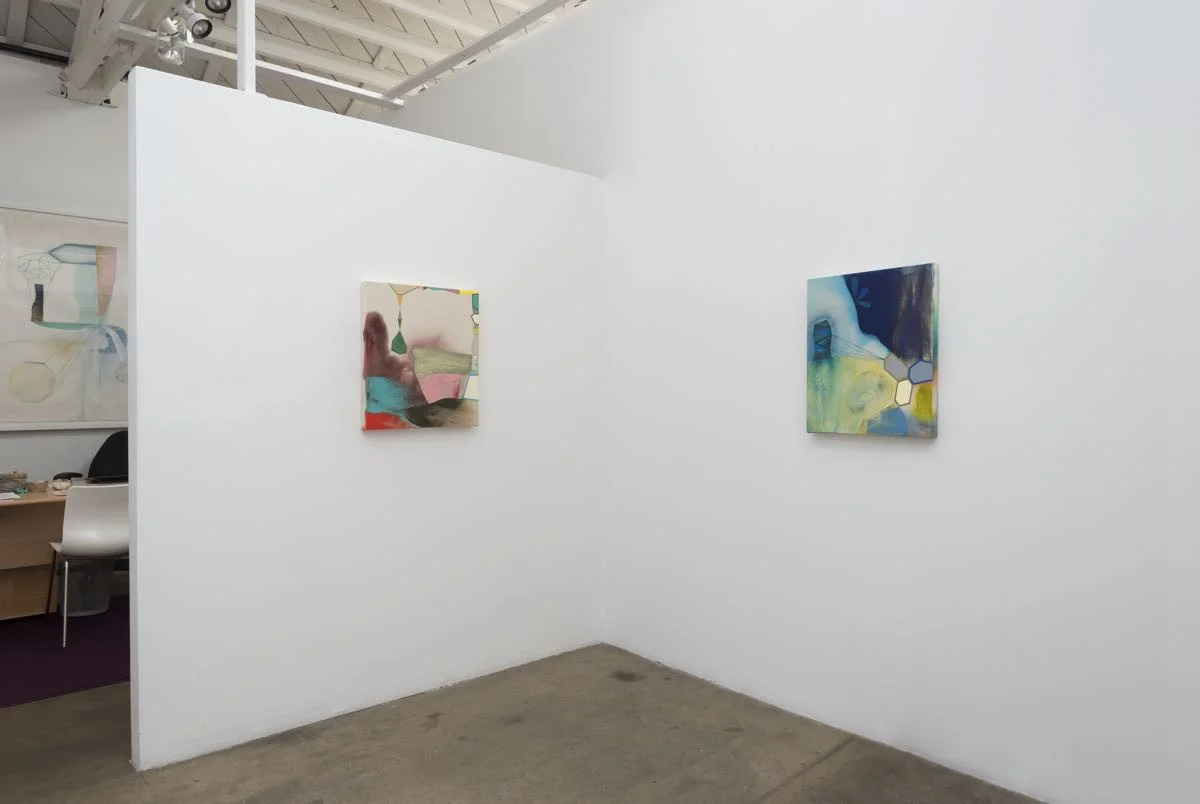
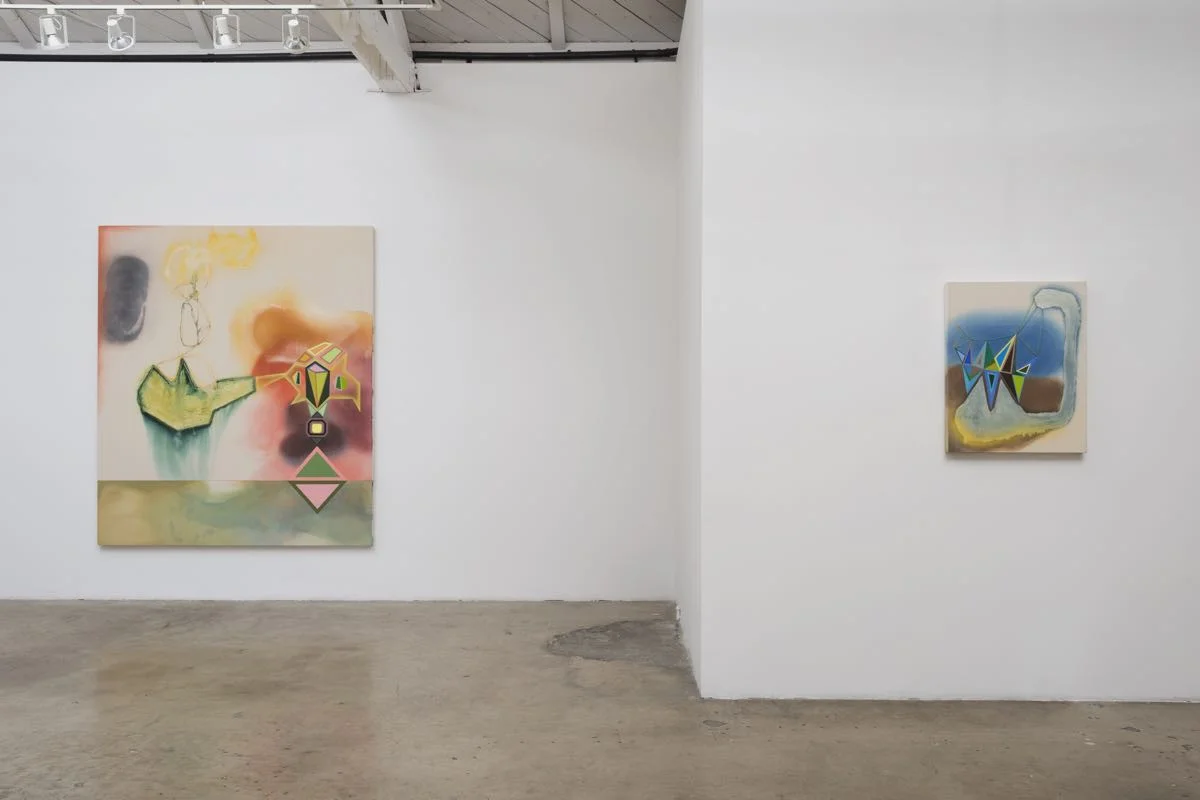
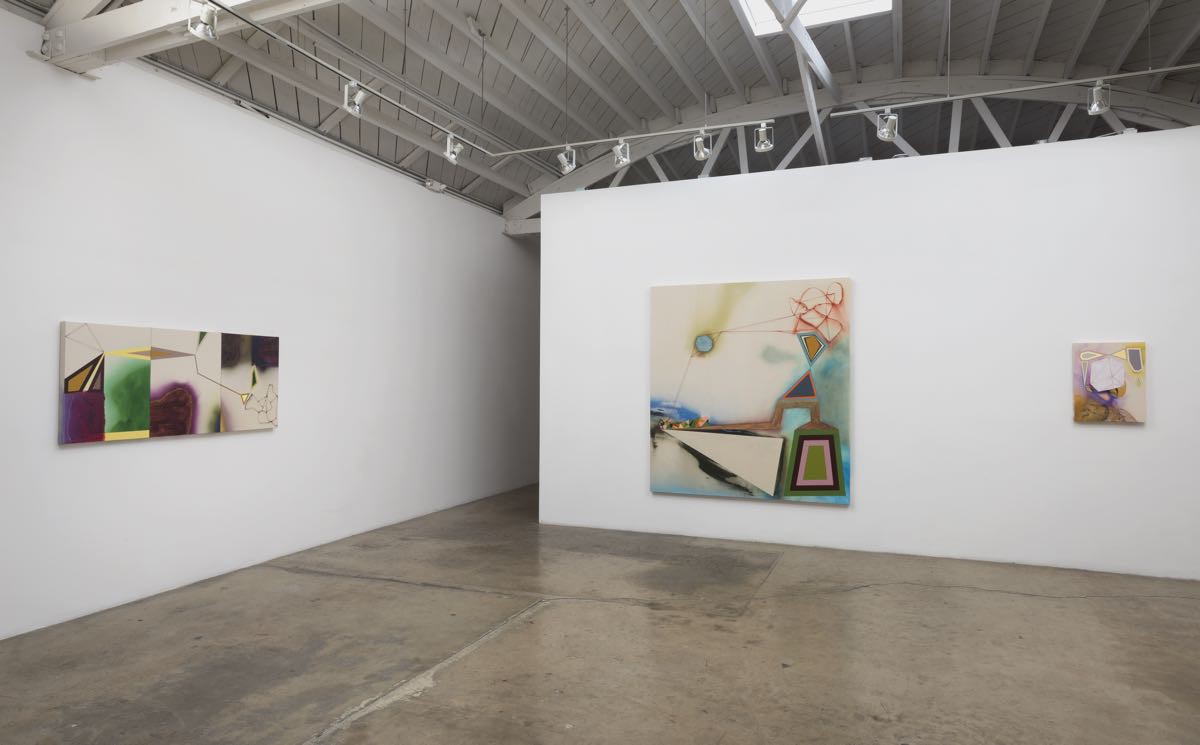
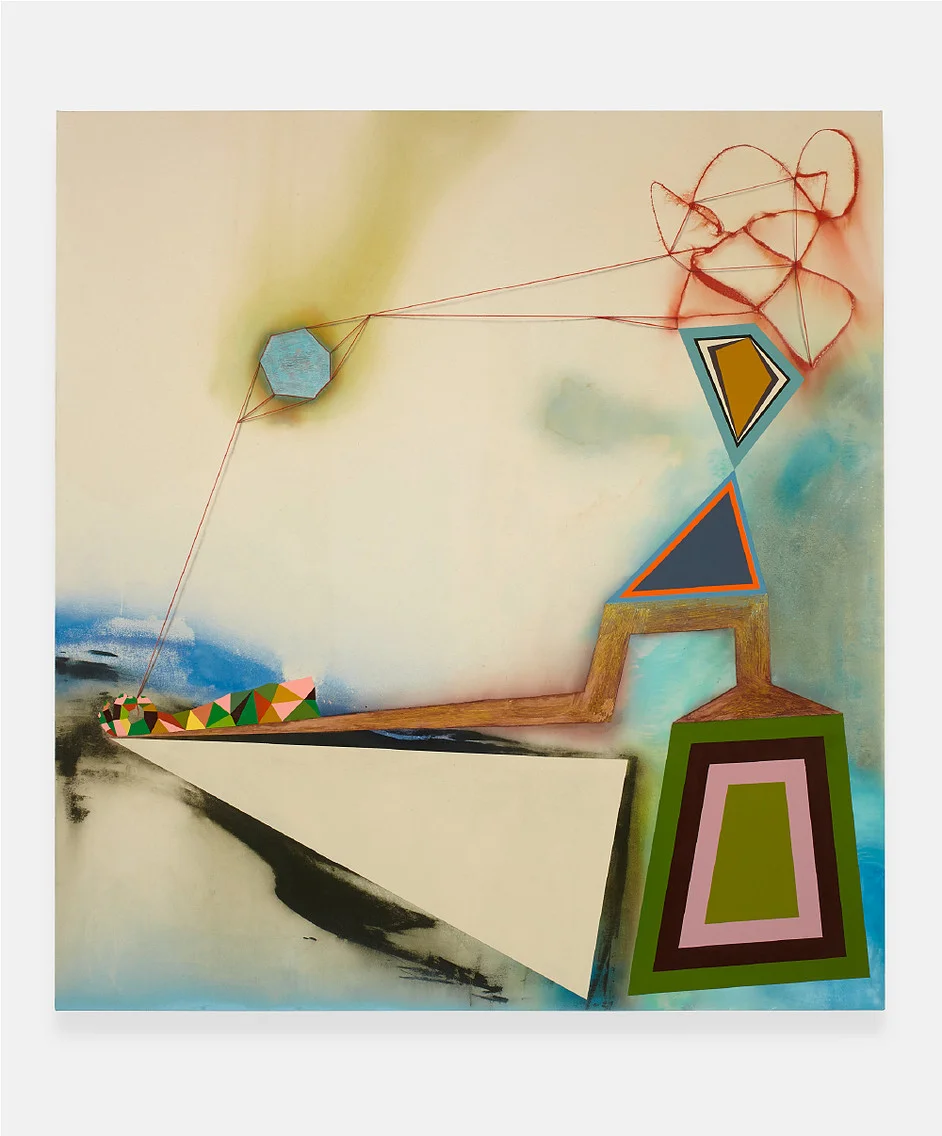
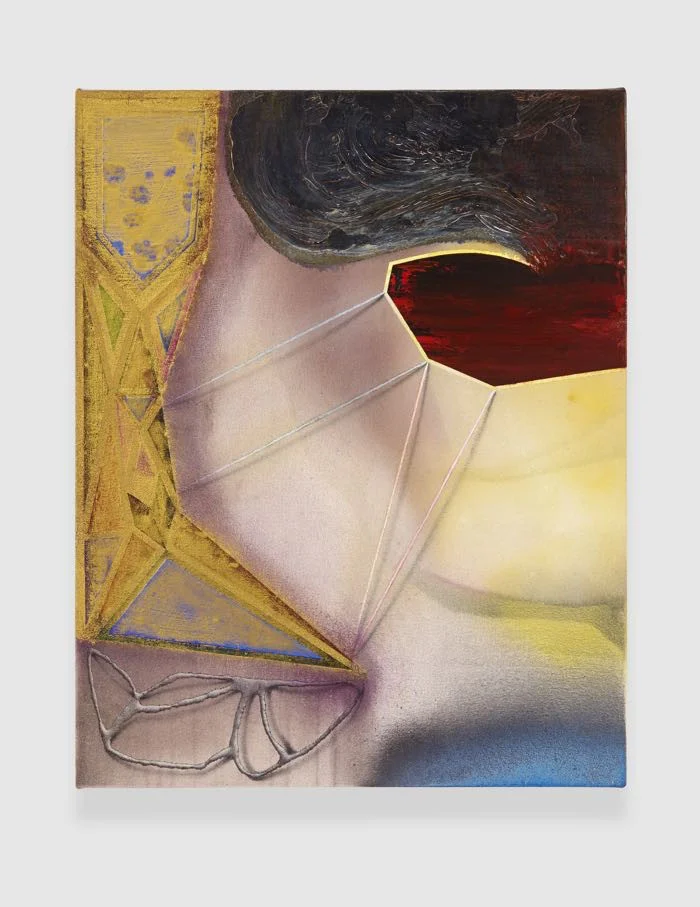
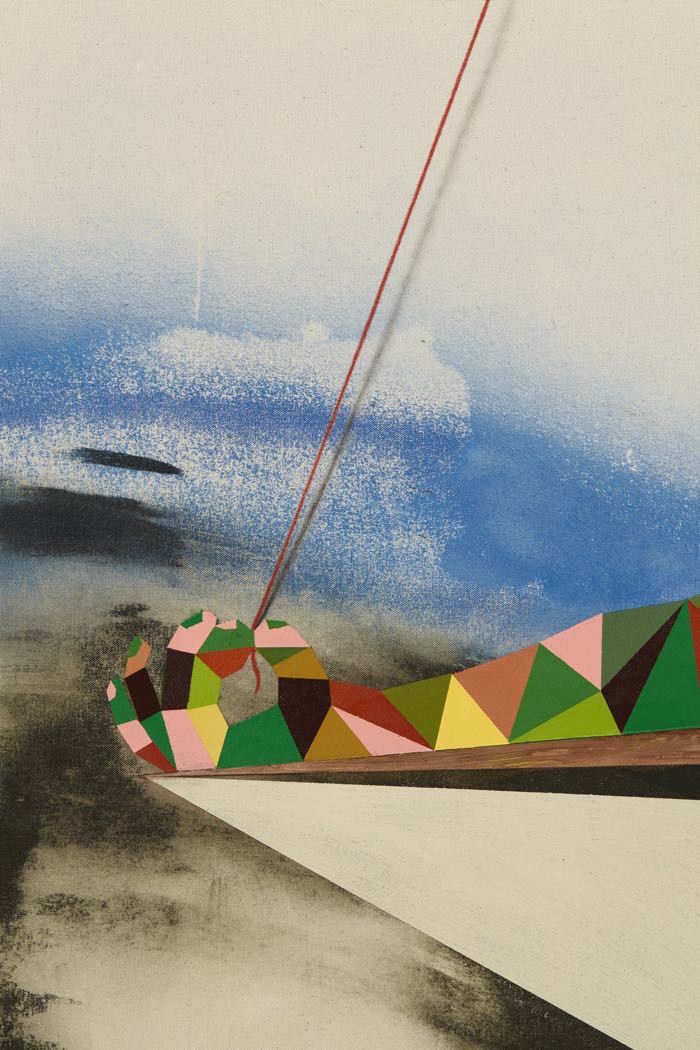
Trenton ReynoldsIt is Tuesday, September 13th, 2016. This is Room in the Trees, a podcast about creative living, about painting and making, and about creative conversation. The following was recorded on Thursday, September 8, 2007. This is special episode number 20, The House of Lloyd. Room in the Trees is hosted by Sabrina Harrison and me, Trent Reynolds. Show notes including pictures, links, video, and more for every episode can be found at RoomInTheTrees.com. If you are enjoying this podcast, please take a moment to rate us on iTunes. which you can get to by going to roominthetrees.com backslash iTunes. And if you just cannot wait to show monetary support, you can do so by becoming our patron at patreon.com backslash room. And by doing so, you will get special additional content from time to time. We really appreciate all your support, and we're grateful that you are listening. Today for our special 20th episode, we are joined by artist and teacher David Lloyd. You can see his art at thehouseofloyd.com. And it turned out he was the perfect guest for this episode. I came away from the conversation feeling that I had learned a lot and that many of the discussions we've been having were resolved nicely in this conversation. I think you'll enjoy it. Here is David Lloyd. Okay, you ready to go? I am. Well, this is... Let me introduce you to David Lloyd. I met David Lloyd through Craigslist, right? Craigslist, yep.
Sabrina Ward HarrisonYes, that's how it all begins.
Trenton ReynoldsYes. So I put out an... I just put out an ad on Craigslist saying that, you know, I... this space and if anybody's interested in using it or renting it. And he responded to that ad and that's kind of all there is to it.
Sabrina Ward Harrison- So what was the, what were you kind of putting out there? You wanted to have, share the space?
Trenton ReynoldsYeah, so the original intent of getting this space is that I wouldn't just be here by myself, but that I'd invite other people in to use it as a studio space and a place to teach workshops. So I guess I was a little bit wary about putting just a general ad up on Craigslist, because I had no idea who would show up. Right. end up showing up. Yeah, but it's been kind of remarkable how great the people are that show up. Like I haven't had anybody show up that I, you know, thought was that I wouldn't want around. Right. Anyway, you walked in though and it's like... Yeah, immediately it felt like...
David LloydYeah, yeah, the space is really nice and it's uh... It's easy access. Everything about it works. I keep it to a small group. You could certainly make more money getting more people in here, but I think it just works better if you don't overload it. Besides, when I teach, people tend to spread out. I'm kind of messy. Yeah. You've noticed that probably when you come after I've been here. Yeah. Yeah. So. Which is great. Well, yeah, I've got this one gal using a drop cloth now, so your floors aren't completely screwed.
Trenton ReynoldsIs she the one that does? No, I'm not. Yeah, over in the corner. Yeah, yeah, yeah. So you got to see the, I wish you could see the floor. Maybe I'll take a picture for the show notes. Well, it's perfect. It's pretty, pretty much the same color all around, except for one corner's got this like. splattering of white.
David LloydI've been trying to keep it cool. My floor in my studio is just beyond. Oh, bad. Yeah.
Trenton ReynoldsBut you're teaching workshops currently, right, over at Brentwood Art Center?
David LloydYeah, I teach at this little school, Brentwood Art Center, and I teach abstract painting, but it's not... It's really not very rigid about that. Like, people come in and they want to... work in other areas, you know, add collage, add imagery, use other materials. I kind of encourage that even though I don't think most people really coming in, a lot of people don't even know what abstract painting is because it really is the absence of subject, you know. It's all the stuff of painting without actual subjects, things to see. So if they paint a chicken, I'm cool with that. But they start going in a new direction. I tend to kind of go with it 'cause sometimes that produces interesting results. But if somebody is really interested in doing pure abstraction, that is a separate thing. It really is. And abstract painters are touchy about that. - Right. - Because--
Trenton Reynolds- I wanna get into that. And abstraction, I think is a, Well, that's definitely something that I'd like to talk about with you specifically. Before we get to that though, give us a little bit of background. Where you come from?
David LloydI grew up in Los Angeles. I lived in a number of different areas after that, but I grew up as a kid in Los Angeles and my dad was born in- What part? What part? West LA. Mar Vista. And my dad was born in Los Angeles and his dad was born in Los Angeles. Wow. And my cousin went out with one of the Beach Boys. So there you go. It's LA all the way. My dad was a surfer. Yeah, so it's, and I moved up north, my family moved up north when I was a little older. And I went to high school up there and then I came back down and went to Cal Arts Where up north in California? Oh, I the Monterey Bay area we my parents moved to Carmel California before it was sort of hip and groovy and look like a Ralph Lauren ad it was like full of burn out some bohemians and artists. It was unbelievably cool. Oh, yeah. And I got to live up there in the 70s. Oh, that's such a gift. It was. It was amazing. And... But I knew that, you know, the... people say to you, oh, well, you know, Carmel's an art town. Well, it's really, it's like saying... It's a guy art town now. Yeah, it's like a tourist art town. It's not New York or Chicago or... When you were growing up, though, was it more of like a... You talk about... I think there was a more experimental art scene there. And I think that was sort of pushed out in favor of very, very commercial sort of Laguna Beach kind of stuff. And it just had to happen. The prices of everything went up. You know, it was just a... the way of a lot of, it's sort of like what's happened to places like Aspen. Not that they can't, there's not still good artists up there, I just think for a for a kind of a serious art career, it would not be my first choice.
Sabrina Ward HarrisonAnd you know what, let's just take a moment for how frustrating it is, but like I used to live on the central coast in Bonny Doon, which is just a bit north of Santa Cruz. Sure. And I lived in this old one-room schoolhouse, and I loved it. But the guy bought the place in, I guess, the 60s for like $5,000. So you could be an artist back then and live and have these interesting spaces and amazing spots.
You can't do that now. No way.
Sabrina Ward HarrisonThe lifestyle of an artist is completely unrealistic for the most part.
Right.
David LloydIf you watch a show made on TV, a mainstream TV about an artist, they're living in a loft and like like Soho, that would cost $35 million right now. And it's just completely unrealistic. I mean, most artists really, really, really struggle. And only the very, you know, the very, very top one half of 1% can really make a really... profound living and then there's artists who make an okay living but most artists really you know year to year you're working it you know it's very hard but where you lived up in Bonnie dune I used to live in Santa Cruz and yeah that that area now would be that little farmhouse would be a whole lot of money I served all that area between that and half moon day yeah the cliffs there and just that
Sabrina Ward Harrisontime I've talked about this a lot of the podcast I mean just that And there wasn't cell phone reception up there, so it just really, you know, you just had Davenport to go to.
David Lloyd- Right, Davenport. - Paco and just. - Land of the great white shark. - Is it? - Oh yeah, yeah, I surfed Davenport. A friend of a guy I know got bit there. That was beautiful up there though, but so Wild West, that's the beauty of it. It is. Anyway, that's a whole other subject, the sharks of Northern California. But um-
Trenton ReynoldsMan, that freaks me right out. Even just you, you just saying that like- Oh, it does. Being in, yeah. Yeah. Why are you doing that? How would you ever do that? How would you ever do that? - Yeah, you know, you know he's out there. - I don't like to fly.
David LloydAnd think about that as an artist, you know? I'm going to be in a really good art fair in Miami in a month or two during the Basel Art Week in Miami, and I have to fly out there. I don't look forward to it, but I do it. - Right, but you have to. - But I hate it. Sharks, no problem. Flying, yeah. - Have you ever seen one when you're in the water? yeah yeah oh yeah oh no i could totally go this whole podcast could be about being chased around by sharks but yeah yeah we're gonna we'll do that at a time we'll do the shark the shark one people
Trenton Reynoldslove that anyway before we get i gotta i gotta ask you because uh i'm gonna forget if if i don't um Your boob tattoo. Oh, yeah. Is it a boob tattoo?
David LloydOh, that's gone. That was a fake tattoo. That was a fake tattoo? Yeah, yeah. I went to a breast cancer awareness art show, and they were handing out boob tattoos. You thought that was real, dude? I totally thought it was real. What kind of person would put the boob tattoo on themselves permanently?
Trenton ReynoldsThat's exactly what I was thinking. Oh, no, no, no. That was-- they were giving--
David Lloydthey were putting out on fake tattoos. That were just those rub-on things, and there was a book, and it was this whole kind of art show that I was in that was a benefit breast cancer.
Trenton ReynoldsIt was on there for a while, though, wasn't it?
I wouldn't come off.
David LloydAnd everywhere I went, people would give me this look, and I felt like, in fact, a lady in line at the market, she was looking at me, and I said, it's fake. I don't know what to tell you, you know? Oh, that is too funny. Yeah, no.
Trenton ReynoldsBecause I took a picture of you for my website. And there's a boob tattoo there? And it's just, you've got a big old smile on your face, and there's this boob tattoo that's probably displayed. I didn't even notice it.
David LloydThat might be the reason I don't have as many students. Maybe it's because I didn't have more. I have this one.
Trenton ReynoldsThis is a real tattoo, though. That's the bug tattoo. And what kind of boob is that?
David LloydWell, it's a scarab. that has got like rainbow colors on it. And it's funny because it looks like a gay pride scarab, which didn't occur to me. Right. And I have no problem with that. But it's kind of funny. It's like a, it's just, I just made it. for the hell of it. Cool. Anyway. Cool.
Trenton ReynoldsWell, that is too funny. I had no idea. Well, for those that are listening, I'll see if I can find, I'm sure I got a picture of it. Yeah.
David LloydSo it wasn't, it was not. I forgot it was on there and everywhere I went, people were like, wow, did you draw that? Or somebody, like, was that your design? Because it's not,
Trenton ReynoldsI mean, we're talking about boob tattoos. It was not idealized.
David LloydNo, it was just like a, it was like a, a rounded out W with two dots at the end of both of them.
Sabrina Ward Harrisonyeah right how many people did how many people do you think got that same tattoo temporarily a lot but you know it's a big city that's a great project in itself just thinking about all the people like hashtag awkward boob tattoo so
David LloydAnd the thing was, too, is that everybody was complaining that it didn't stay on. And mine would not come off. And it literally was on there for like four months, this thing. And it's something to do with my skin. I surf a lot, so I'm tan. Oh. and maybe my skin just stuck.
It stayed on anyway.
Trenton ReynoldsOh, that is too funny. I had no idea. I'm just like... I thought it was awesome. Well, it's funny because... He's just cool with that. You know, like right there and you prominently display it on your arm.
David LloydMaybe I should have just...
Trenton Reynoldsmaking work or that make you self-conscious or make it hard for well Prozac has helped that
David LloydProzac has helped that yeah the voices in my head and the long many many years of therapy and they're better now no but um yeah I think that uh being an artist for me I don't know if I can speak for everybody is like a 24 hour a day job because if I'm not making it um I'm thinking about it and seeing things and sort of coming just You know, I see stuff in the world that makes me think of something I see it I see the the side of a I saw a building that had a hot pink wall And I was like, I want to make a bunch of pink paintings. You know what I mean? It's just sort of like it filters in so there's a constant stream and My wife tells me I'm always thinking about art, so there's not a lot of room for other stuff, you know? Which is kind of true, I think. I think there's a kind of constant, and the voices in your head that are critical, or positive, that is, that to me, it comes and goes.
Trenton Reynolds- When I meet you, or when I talk to you, when you seem like a person that wouldn't have any voice, like you've got this confidence, you got this kind of easy going, like--
David Lloyd- I've had a lot, no, yeah, I've had a lot of voices. I've done, in the last few years, I, okay, so it's kind of interesting. I had a very, very successful career early, out of school. I came out of school and went into a gallery in L.A., which in L.A. arts, the L.A. art scene wasn't that big, but I went into a gallery in L.A. that at that time would be comparable to something like Gagosian. It was the... the gallery. It was called Margo Levin Gallery. And it was, you know, they showed the stars from New York and John Baldessari showed there. And it was a big deal. And I got, I think I got success very young and I had I decided to change my work pretty radically. I went from abstract painting to more figurative stuff. And the dealer who I was showing with, she was supportive, but I don't think she really knew what to do with it because it wasn't her interest. And she was more interested, the gallery was becoming more conceptual. and I was moving toward a different kind of painting, and I think we just went in different directions, and I finally left the gallery. And then I had-- this kind of comes back to what we're talking about-- then I had a show at another gallery about two years later after being in this major gallery, I showed with this other gallery, which was a pretty good gallery. It wasn't the same stature. And I did a show, a very large, sort of strange, surrealistic, Had a lot of figurative elements, had a lot of weird things, and a very prominent critic in LA just ripped me a new you-know-what. And he had been a champion of mine. He didn't like what I was doing. And it threw me so completely that I think I didn't really make any art for a couple years, which is really embarrassing to think because I should have just said, screw you, you know? Who cares, right? But the truth was is I didn't have the intestinal fortitude to kind of get through it. And I was younger and it and it and so and I think that what's happened since then it's a long time I didn't make art for a while and then I started making art again and I got back into it and I think I got to the point where I I've gotten to the point where I realized that There's just absolutely No way to please everyone. Or even something. You just simply have to make what you make. Right. And just stick it in the world.
Trenton ReynoldsDid you, after you had that reaction from him, did you regret making that work? Or did you feel like you couldn't make that work anymore? No, I didn't.
David LloydIn fact, there was another critic who was not as probably as important on the LA art scene. I'm not going to mention anybody's name of anything, but he was like, came back and said, Hey, this is a really interesting show. And he kind of praised me for, um, for kind of going off in a new direction. But the truth was, is that the It's interesting about criticism. I mean, people can tell you you're great all day long, but one person says, eh, I'm not sure it's so hot. That's what you remember, right? Your mother tells you you're smart, but it doesn't.
Trenton ReynoldsWell, there's this interesting thing that I've noticed just teaching younger art students. It's they always say like tell me the truth. Tell me what you really think don't you know? Don't call me don't be nice and it's almost like they don't they wouldn't believe you if you told them so
David LloydThat's a real problem with teaching because I've had people who have actually made Some really whether there was intentional or accidental some really interesting stuff in their life like, no, that sucks. And I'm like, no, it doesn't suck. And you should listen to me because I've been doing it for 30-something years.
Trenton ReynoldsWhat is that all about? There's like this innate masochism that we have. We cannot accept or praise. Whether it's our own accepting ourselves or accepting somebody else's praise.
David LloydI don't know. It's some sort of subjective quality of art making. When you're a science or math or engineering, these are quantifiable things.
Sabrina Ward HarrisonYeah, I think that's why it's the quantifiable element of it. And it's such a shame, don't you think, as you get older and you think, "I was fine!" You know, you think about...
David LloydOh, yeah! No, when that... When that... There was an artist I know in LA, there's another artist I know in LA, this woman who is a... I think she's an amazing artist, and she had that... just a couple years ago had that same critic. kind of give her a hard time. And she made a big joke out of it. And said, "Oh, he took me out behind the woodshed, "ha ha ha, and blah, blah, blah." And what she did was she just totally diffused it and said, and it was sort of like a screw him, what do I care? And she blew through it like it wasn't there. And I looked at, and I thought, man, she has got huge, You know what?
Sabrina Ward HarrisonBut that's really rare, and that's not really natural to the human condition, I don't think.
David LloydShe's, and she is a very, very, yeah, she's an artist that has a very, she has a lot of confidence. But it was interesting how she handled it, because she turned it right back around. She put the review online on Facebook and said, hey, you guys, check this out. And what it did is turned everybody against the critic. Right. Everybody's like, he's an idiot. Oh, I love that.
Yeah. Right. Right.
David LloydSo, you know, I've learned since then to, I think it's, I am, I'm 60 years old and I think I just don't give a shit anymore about whether people are going to like it or not. I'm in the fourth quarter.
Trenton Reynolds- Do you feel like though that, is that voice still there? I mean, even if you don't care about it, or even if it's easier now to suppress it, is it still around?
David Lloyd- It's still around. It is still around. Actually, it's interesting when it comes to art making. I'm feeling very confident in the last five years. I'm feeling pretty on top of it. But when it comes to teaching, interestingly enough, I've been doing this for about 20 years, I get nervous about teaching. Really? Yeah. Because I feel like, do I, can I, can I, can I give people, do I know what I'm doing? You know? Do I know, I know what I'm doing, but do I have the stuff to tell them what they're doing right?
Trenton ReynoldsIt's really kind of weird that way because well talk more about that. What is it that you what what do you feel like? It is your what's your responsibility as I think it's partly how I teach
David LloydI don't teach like I went to school where what they did was they you went in I went to Cal Arts you went in, they gave you a studio right off the bat. I mean a closet, it was not very big, but they said, "Here's a studio, make something." And you're like, "Well, what do I make?" And they're like, "That's not my problem, make something." Well, I don't know what, how to, I don't know oil paint from, shit from Shinola, right? Oh, the jerk! I love that reference.
The jerk!
David LloydAnd they would take me outside and show me a pile of dog crap and then they'd show me some Shinola and say, figure it out. No, but that's the thing. And so I just... And what you did was you were sort of thrown to the lions and you started figuring things out. And it really produced really interesting results. It's not the only way to teach. If somebody wants to learn very specific skills, there's ways to learn that. They need to seek it out. And some schools are better than others. You know, if you went to a place like RISD, I think they have both. I think at a place like RISD, you'd probably have... somebody who could teach figure drawing as well as anybody, but then you could take a lot of kind of weird conceptual stuff too. So I've learned, I learned that way. So most people teach how they were taught. I think that's just natural. You know, so I always tell people, you know, take... keep going and we'll see where it goes and then we take that and we start another one and we build off it and as they go along i show them stuff i say well that if you mix that and that that's going to be like mud so let's avoid that and it's it's it's like a perfect antidote to somebody who's and then they and then people go well should I take a you know like a technique class technique class I say yeah take that too so I'm trying to make an artist out of them you know make even though I think because I think there's an artist in everybody I think that somebody who could be never, you know, I've had lawyers that never picked up a pencil or pen or paintbrush in their life who actually start making interesting stuff.
Trenton ReynoldsSo they come to your class and you say, "Well, let's go ahead and get started," and they say, "I don't know what I'm doing."
David LloydWell, okay, so I have ways to get them started, absolutely. I mean, I don't just stand there and go, "Well, don't look at me. I'm not that bad." No. I get people started by just putting... just putting like a color down of just like a burnt umber or yellow ochre and just kind of get something on there. And then I, when we're talking about abstraction, I tell them to... create with a give them a take a small brush and a black paint or brown paint dark brown paint and I say I want you to just make marks out of the top of your head and sort of like you're doodling while you're talking on the phone and most people actually once they get going are pretty good they get stuff going and I kind of use that as a scaffolding to start building a painting And it... From there, I usually can see their sort of nature. Like some people are more... Some people are more Picasso and some people are more Rothko. You know? Some people are... are messy and some people are tight. And I do a lot of stuff like that and I just try to get them working. And then as they get going, If they're stuck, I help them a lot, and some people don't. Everybody's so different that I don't... I mean, sometimes I think you can't really teach art. You can teach around it. You can kind of teach it. You can hand at it, but to make art, there's that aha moment when people make something. They're like, shit, that's good. That's pretty good, and I'm like, yeah, it is. And that's... But that's a... That's a kind of a tough place to get to. And my way of doing things isn't for everybody because there are people who want, they want straight up technical stuff, which I can give them, which I actually do give them. I just don't give it to them I give it to them informally. So I give them a lot of technical information, but I kind of interweave it into what I'm doing, into the work as it goes along. I say, "Hey, one way to deal with this would be X, Y, Z or something like that."
Trenton ReynoldsHave you ever had somebody really push back on you and say, "You're not giving me enough information?"
David LloydYes, I have. And I tell them that at this point, I tell them there's other teachers that are better equipped to do that than me.
Trenton ReynoldsBefore, have you always been that way or did it take you a while to get to that point?
David LloydIt took me a while to get to this point because I've had a lot of success this way. And I don't mean success as necessarily having a lot of students. I mean success... and getting some students that are really good. My thing is, is no teacher can be everything to everybody. There's stuff you know how to do that I don't know how to do. There's stuff I know how to do that you may not know how to do. And I think that sometimes people think that a teacher can be everything to them. Like they can teach them everything there is to know about painting. And you can't. You can... Give them what I'm good at. I'm good at certain things, and I can help them with that stuff. But I can't... I think it's good to take a lot of different kinds of stuff. And, you know...
Trenton ReynoldsYou talked just a little while ago, you talked about having voices in your head now about teaching specifically.
David LloydWell, about teaching, because it is... it would make my life easier to set up like a still life in the middle of the room and say, we're all gonna paint it, you know, kind of thing. And sometimes with teaching, I sometimes think, well, am I too free flowing? But then what happens is, I get to the point where I realize that what I'm doing is working for the people I'm doing it with. And so, and I think that teaching a little bit also is like being a waiter in a weird way. It's like you kind of have to keep people happy. The kind of teaching I'm doing, when I taught at Art Center in Pasadena, it was different. I had 18 year old kids who I'd just say, you know, You have to show up on time, you have to finish this work, you have to, you know, or I'll give you a lousy grade. And it's more hierarchical, but when you're teaching adults, which I primarily do now is teach adults, they're here for fun, they're here to be better artists, but they're also, you're trying to make the experience interesting and kind of pleasurable. It's not like they're not getting graded.
Trenton ReynoldsThat's a really interesting distinction, for sure.
David LloydIt is. It's a huge distinction because if you're... It really is. Because if you keep it fun and you keep it interesting and you have talks about the world and we talk about politics, it's fun.
Trenton ReynoldsHave you found, though, and this is something I teach at Emeritus College in... the things, oftentimes the things that I think are gonna be best for them in terms of their progress are stuff that's not necessarily fun to do. You know, so, but I don't, sometimes you don't have that leverage of giving grades, of holding, so. You don't. You, you, you. Sometimes I feel like I compromise too much on the side of trying to make things more palatable and more entertaining, even though I know that there would be other things that would be better for them. That's interesting.
David LloydYeah, it's a different thing. If you're teaching a class of beginning design at Santa Monica College, and you're teaching a class in here of beginning painting or something with adults, It's two separate things. It really is. I mean, it's, it's, the kids at Santa Monica City College are, you know, they're getting credit and it's more formal and, you know. But I do think it's a hard thing. I mean, it's, you know, there's the tenured professors that at the great schools, like UCLA, who work two days a week, you know, I don't know what they get, they get $150,000 a year, and they go in and they chat about art. And some of them are great at it and some of them aren't. You know, some are probably lazy and some of them are fantastically good at what they do. I, you know, I... I just think that there's sort of the trenches of teaching, which is the adjunct people, which is people who teach at community colleges, which is people who teach on their own privately. And that's a trickier thing, you know? It's very tricky because you're trying to keep-- and like I said, you can't keep everybody happy. I've just figured that it's like my artwork. I can just do what I can do.
Trenton Reynolds- So do you feel like you've been fairly consistent throughout the years, or have you had to really explore to find the right kind of balance of all these things? I think I've been pretty consistent.
Sabrina Ward HarrisonWhat are you meaning, Trent, by consistent in what area? In all of them?
Trenton ReynoldsMeaning, like, have you had to really, like, search for the right ways to approach, the right ways to talk to students, the right balance of environment, the space that you create? Or has it been just minor alterations to kind of how you've done things all along?
David LloydI think you just get better at it as you go along. I think that I still like to have a smaller group. At Brentwood Art Center, I have sometimes more people. And sometimes I feel like I'm trying to give everybody, I kind of teach individually in a weird way. Like people come in, like I don't make distinctions between the people beginning, intermediate, advanced. Somebody can come in who's painted for 20 years and somebody can come into my class who's never painted at all. And I work with them each individually. But that sometimes is... when you get a bunch of people who need a lot of help, I can be like a chicken with my head cut off. And so sort of like, it sort of makes it easier, harder on me sometimes, 'cause I have friends who teach, who teach in a very methodical way and it always seems easier, but I, you know, you can only, I'm not that, and I'm not that kind of artist. The way I make art is, let's see where the hell this thing goes. I don't know.
Sabrina Ward HarrisonYeah, that's interesting. That's always...
David LloydRight, you have to kind of... That's what I do. So if I was to say, let's all paint a bowl of fruit, and we're all going to... And again, you'd have to figure out the light source and the shadows and all this stuff. I could get through that, but... I think there's people who are better at that than I am. You know, I fully admit that.
Trenton ReynoldsAnd you don't feel compelled, you don't feel really satisfied by that type of teaching?
David LloydNo, and I don't think, I think what I can give them, I think I would be doing them a disservice if I did that kind of teaching. I think what I can give them is a... is a kind of, let them get a glimpse of the thrill of making a piece of art that has a life of its own. And it's what I'm good at, you know, and I'm not good at everything else.
Sabrina Ward HarrisonI have a couple questions about, like, what are your, I teach workshops, I've been teaching for about 15 years too, but just more, either week-long or at least, I tend to prefer at least a two-day workshop. you know, immersion into it.
Right.
Sabrina Ward HarrisonBut I have, where people come with an expectation of wanting to be kind of, have an experience, feel kind of a little bit, a sense of liberation, of looseness. And oftentimes people who really need that in their own lives are really longing for that in their own lives. And it's hard to kind of, you can't really, you can do, you know, it's interesting to try to give that to them. And at the same time, they want it to look really great at the end of the week. They want to really like it.
Exactly.
Sabrina Ward HarrisonAnd that's very challenging as a teacher, I think.
David LloydThat's very challenging. Because there's, exactly, because as you know, anybody who's made art knows that It's sometimes things turn out really well and sometimes they don't. It doesn't matter. It's like anything. That's not the part of it. Well as long as they... Right, and I tell people if you really immerse yourself in the process, you'll get better art and more pieces you like than if you keep thinking of the outcome.
Sabrina Ward HarrisonAnd you'll enjoy yourself. You'll actually feel what it feels like, you know?
David LloydYeah, right. Because, right, they... I think that a lot of people are thinking, like they're constantly going, this is no good. This sucks. I don't know what I'm doing. Why does it look like this? Why can't, you know, and I'm like, forget about that. Fall into the process. And especially if you were doing like a three-day workshop or a week workshop, God, just, if people could just immerse themselves in it and not worry about anything else, but just being in it, being there and learning it and being in the moment, it's great but people have a hard time with that because that's not how they
Sabrina Ward Harrisonlive their lives day to day I get so determined and I get like people we got to lie on the floor we got to like the physicality of it just to get them drop them in you know I just take it I take it on by the fists like let's let's do this and I and I feel like but it especially is as people the older someone is I find it um you know it's challenging. More difficult?
Yeah.
Sabrina Ward HarrisonAnd when you're teaching, maybe there's a little something too, when you're teaching people that are, I've always sort of seemed to teach people that are older than me and there's that thing where you're giving them, but you know it's always, sometimes it is a bit awkward to teach someone older than you when you feel like they are older than
David LloydThat's happening less and less these days with me, unfortunately. How old are you?
Sabrina Ward HarrisonI just turned 40.
David LloydOh, yeah, you're a kid.
Sabrina Ward HarrisonThat's nice to say.
David LloydThere you go. No, yeah, but it is true. I mean, but... uh That's, that's, I'm mostly teaching people older children.
Sabrina Ward HarrisonWhat about you dropping into your work and what, do you ever go, "What am I doing?" Like just, you can't, you know, like it, what's that like for you?
David LloydI, I, uh, I'm making some, some work now that I'm very kind of into and I'm letting it happen in a good way. But up to that point, after I had my last show a couple years ago, I spent about a year just experimenting with stuff and kind of making things. And I was getting a little frustrated. A lot of stuff that I didn't think worked and didn't do what it was supposed to do, but I don't do a lot of editing in my studio. I mean, I've talked about this before and I've kind of, I think when I gave this little, I talked about my work last time I had a show a couple years ago, but I edit later. In other words, I'll make something. I don't know if it works. I won't show it. It won't go out of my studio. And that way I allow a lot of things just to ferment and kind of become without laying too much stuff on them. Just let it be something. And over time, You know, you fall into a group of work that look like the direction and now I'm taking that the direction I got. But it was it was for a while there. I was I felt like the show I did was good. And it's like a second act. I started choking like everything didn't seem like, you know, you always feel like you got to up yourself.
Sabrina Ward HarrisonThat's how I always feel. Self-conscious of what you're making, I think.
David LloydRight, and I've made a direct effort not to worry about upping myself. In fact, my last show had a lot of giant paintings. Like, not giant, I don't know what he calls giant, but they were 6 by 8, 8 by 9 feet, you know, big. These are big paintings, yeah. And my whole show coming up in January is going to be 24 by 24 inch paintings. The whole show. I've just decided to make modest scale, and put as much invention and punch into these things.
Trenton ReynoldsDo you normally work in a consistent format for a show?
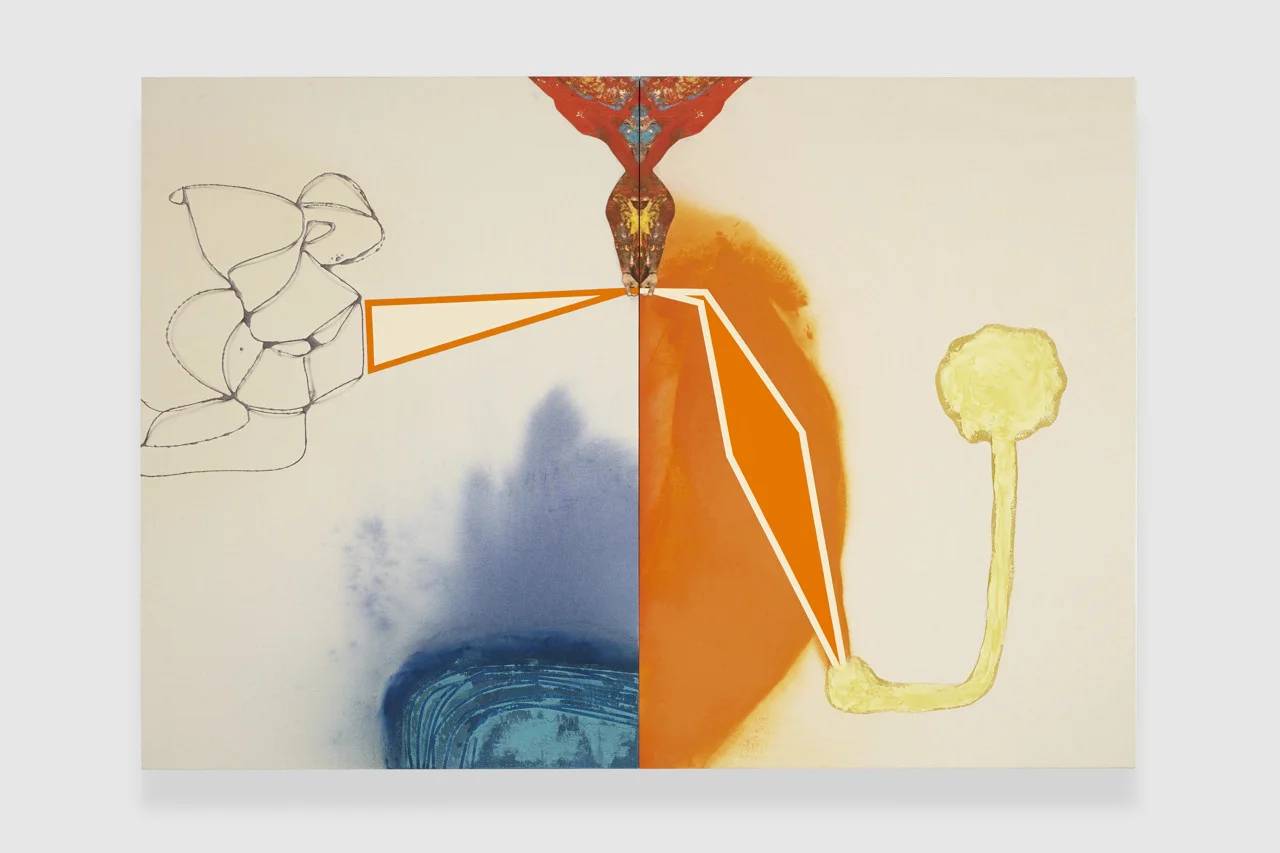
David LloydNo. No. I work big and small and all over the place. I've given myself parameters that I'm going to work. What I am doing is they're shaped. So I'm taking a 24 by 24 inch square of wood and I found a wood that's sort of thick, like it's like an inch thick, but it's very, it's a kind of lumber that has a core in it that's very light. - What is it? - It's called lumber core, it's this weird stuff, but it's great because a 24 by 24 inch, like three quarter inch piece of plywood weighs like 15 pounds and this weighs like two pounds. It's insane. So it's really yeah it's really great stuff so what I do is I just float that off the wall. I put something on the back and float it out and I cut forms out of this 24 by 24 inch shape and then I use that and I'm painting directly on wood and then I'm using some encaustic and mostly acrylic paint. And just, then I just, I figure out the shape, and then I just go with it. And I'm just taking them where they go. And they're just going, they're going where they go.
Sabrina Ward HarrisonDo you spend very much time, like, do you work on multiple paintings at a time and kind of move around the space, and how do you keep yourself loose or...
David LloydI don't work multiple paintings at a time, and I think it's a kind of an obsessive compulsive. Once I'm into a painting, I don't work on it all the time, but that's the only painting I work on. And I tend to work on it and walk away and work on it and walk away and go in the house and come out my studios at my house. So I go and I go out and sit. I have three dogs. and I hang with the dogs and I come in. And then if I have a day where I can paint, I go paint some more, then I go and watch like Oprah and eat cookies and then go back out to my studio and work some more. But it's this weird way of working where I keep, it's like I keep adding and subtracting until I get to this place I wanna be. And it's just my own way. I know there's people who go, you know, I get up at nine in the morning on my work days and I work till five religiously.
I can't do that.
Trenton ReynoldsHow long is your average stretch of sitting in front of the painting?
David LloydOh, the most, probably a couple of hours. And then you're off. And then I'm off doing, if I have time, I go surfing and come back. Right. I don't know, you know, just eat.
Trenton ReynoldsThat kind of surprises me that you only work on one at a time though because you--
David LloydI-- well, here's the thing. The way I've got-- I paint too, and I don't know how you guys, what kind of materials. I know you use both acrylic and oil, right? But the acrylic paint dries very fast in Los Angeles, right? Yeah. And I just am adding and subtracting. When I say subtract, I'm instead of, I'm not wiping it away, I'm painting over it. So that's like an editing process just to paint over something. And I'm taking things out and putting them in and everything's drying very quickly. So a lot of it is I'll put something down fairly thick and I'll wait for it to dry. So while it's drying, I go do something, come back 15 minutes later and work some more. So it's this sort of, I can keep going on the same painting over and over, you know, until I have it where I want it. So I just, and I get a little bit obsessed with that one painting.
Trenton ReynoldsDo you know generally how long a single painting takes you to complete? Nope. There's no consistency there?
David LloydI don't know. Fast, slow, I don't know. Right.
Sabrina Ward HarrisonI was curious your thoughts about, I was talking about this last week, two weeks ago, rented a gallery space, kind of a big space to roll out and work on some really large pieces of rolled out paper, like 12 yards. And I had that, usually I can kind of. get into my flow and I like to work outside and I can I'm listening to the music and I'm kind of get get in There it's easier for me to drop in something. I was trying to reflect on why it's reflecting on why it was I was just had that feeling like what am I doing? Like I was I didn't know where to begin I felt like that beginner all over again. I've just I I'm just maybe that was the space because you were in what we said I think it was the sense of it wasn't my space I knew that other people that the people I was renting the space from were going to be coming through the space I couldn't get drop that out of you know that part out of my head
David LloydYeah, I think the place where you paint has a profound effect on the work you make. So every time I've changed studios over my career, my paintings change. And it's interesting to me because a lot of people can paint with a lot of people around, and I can too. I mean, I could make my work with other people around, but I prefer not to have that. So the idea of having a studio where people were wandering in and out while I was working constantly, I don't think I would like it. I think it would be somewhat distracting to me. That made me think about...
Sabrina Ward Harrisonabout students and I had so much empathy again for just like, 'cause it was a space I actually have taught a few workshops in and I thought, gosh, it's so brave. First of all, just an adult to show up and take the time and just, and have to sort of try something new and uncomfortable in front of other people. I mean, it's really commendable to just even.
David Lloyd- Yeah, it's a lot of people are really, really intimidated by art. And it's kind of, after you've made art a long time, I always tell them, I said, you know, you gotta pay taxes, you've gotta stop at stoplights, you know, take your medicine or whatever you need to do with your life. You have to do these things, but when you're making art, You're free and remember that you're you can you can this is your world They don't don't don't treat it like it's the boogeyman you know you have to have some and It is scary. Everybody makes work that they don't you know, making art is of is an odd thing, but I think people It's the gene. It's the mad genius factor. Well if I'm not I'm Picasso or I'm not Sargent, why am I making a figurative painting? Well, because you're just you, you know, you're making what you make, you know? And that's what's so cool about art is because there's literally nobody who can't make art. Some people are better and some people are not as good, but everybody, I'm suspicious of Well, I'm not there are people who are fundamentally talented, but most people Talent is sort of a learned thing. You know, there are there are There are people like Picasso that were just fundamentally unique individuals, but You know, if you look at the art world, there's a lot of people who are very interesting artists that have just, you know, they're smart people. They worked hard. They came up with some interesting ideas. And that was it. They're not geniuses by any stretch of the imagination. And I could name names, but I'll get in trouble, so I won't.
Trenton ReynoldsI'm not asking you to get in trouble here.
David LloydNo, I could... Don't get me going about the art world, because it's... I love it and hate it. Yeah, yeah.
Trenton ReynoldsWell, that's... You know, people coming to workshops, that's a whole other conversation, is that people coming to workshops to learn about art don't realize that that is a... different thing than this quote unquote art world. - Yeah. - And like there's, you know, I get so many students that like, they feel like they're not gonna really be artists until they sell something. So they're in this rush to--
David Lloyd- Oh my God, give me a break. That is selling and making art have nothing to do with each other. - Yep. - It's like--
Trenton Reynolds- And there's like-- - It's like saying-- - They sell something in a coffee shop and--
David Lloyd- Right, is a better, is a better musician than X playing in a club in downtown Los Angeles right now because she sells more art, so she's more of an artist. I mean, it's complete horseshit. It doesn't, you know, it has nothing to do with anything.
Right.
Sabrina Ward HarrisonBut I do think people get tied to it when they feel like they're reliant. I mean, they're going, it would be nice to make some money from it.
David LloydAbsolutely, and I try to, I do my best to sell my work and I show my work and sometimes I sell and sometimes I don't, but it's interesting if I'm out in the world, I'm and I have a show, people will always say, "How many did you sell?" That would be the first thing. And when I talk to artists, they'll say something sort of vague, like, "How did it go?" And that can mean, "How did you sell?" Did people, were people interested? Did anybody write anything? How did it look? What was the response? You know, all these things, 'cause that's how kind of artists talk about, but people out in the world, it's like, look, did you sell it or didn't you? 'Cause if you didn't sell it, what the hell's the point, you know? And if I took that point of view, I couldn't be an artist, because sometimes I sell and sometimes I don't.
Trenton ReynoldsAnd it's I think for people, that's an easy way for them to determine whether or not the work is good. Of course. It relieves them from the responsibility of having a personal opinion. Because it's like, go, well, it's it must be good because people are buying it. Right, right.
David LloydAnd if you're in the art world long enough, you see work that gets sold in the millions of dollars, it's really, most people don't, it's not great stuff. And then you see stuff that's actually quite interesting that just languishes. So the quality of art is not a barometer of selling.
Trenton Reynolds- We are at about 55 minutes. I wanna wrap this up, but one thing that I had wanted to get to and would like to hear your thoughts on a little bit is just how do you think about, what is abstraction? Like how do you even think about it? How do you well? I have a story or a narrative that kind of keeps you going or is that no I think that that
David Lloydabstraction is like I said is not objective, so you know I think of I Pollock is an abstract painter. You know, the Pollock drip paintings. And Picasso is not an abstract painter. You know, when people go, "Oh, Picasso's abstract." Well, no, it's abstracted. I mean, he abstracts a figure. He abstracts a still life. These are fundamental differences. Abstraction is really the absence of a subject. And so if you have a painting that's line and texture and form and volume and color and all these things, it can be all, it's all those things without being a picture of something. And another analogy I think is interesting is music. And I don't know if it's a good analogy or not, but if you listen to a movie, a Bach, and then you listen to a Bob Dylan song. One might be highly narrative and it's about something. Well, I don't know about Dylan, but whatever, but you know what I'm saying. And the other one is a series of notes put next to each other that create a feeling or they create a, you know, they create this sort of hole that makes you feel something. And what makes you feel and what makes me feel might be two separate things, but it seems to work on some level on a formal level. But you can't say a, something like a classical, like pictures in an exhibition, that classical piece is about, maybe it's about something. It's not about anything. It's about one note next to the other. So an abstract painting is about one shape or color, line or blob next to another. And I think that that can give the feeling of things. It can make you feel like the wind's blowing. It can make you feel like... claustrophobic, it can make you feel all these things, but it's not the same as a picture of something. And that's where people, once people let go of it has to look like something, they are free to start moving in interesting directions, but, One of the things people do that abstract painters never do is abstract painters never say I see do you see that? I see Abraham Lincoln's hat Never do that right abstract painters don't go there because they're not I'm not looking for that It might be there. It might not it hasn't it doesn't it that's not the goal. Yeah, so arbitrary It's like find you know find the the cat or something in there. So I But I think that there's an interesting, just very quickly, I think there's an interesting place that's in between this stuff where a lot of artists use imagery and they throw it in there in an abstract way that's very sort of jarring. and sort of collage-like or sort of almost like sampling in music. So I know there's artists who will put some sort of part of an image or something that's imagistic and it doesn't necessarily fit and it really, they want it to read as abstraction. So there's a lot of fine areas where these two, but if you get into pure abstraction, Rothko, you know, it's light and volume and color. That's it. It's not, you know, you can see
Sabrina Ward Harrisonwhatever you want to see in it. Do you have any favorite documentaries to watch that you've that's one of your favorite things to watch or listen to or conversations?
David LloydI haven't looked at it. I used to look at a lot of them. I mean, oh, man. Some of the Hollywood movies have actually been pretty good, like Pollock and the movie about Basquiat. I heard that the Gerhard Richter movie is really good, and I have not seen it. I take it back. I have seen it. It's very good. Yeah, everybody says that's great.
Yeah.
David LloydIt's, it's um, I haven't really looked at any films lately that are...
Sabrina Ward HarrisonWhat would you call, would you call Basquiat the abstract painter?
No. No?
David LloydNo, he uses like symbolism and all sorts of things, but I mean, they function like abstraction, where they, where the subject matter is sort of collapsed into a kind of... something but I don't think that I mean I'm being fussy about it but I really think of abstraction as you know Ellsworth Kelly is an abstract painter that's that's what outside Twombly so I twombly Ellsworth Kelly William de Kooning when he wasn't making the women all that No, not Rauschenberg. Well, he did make stuff that was pretty abstract, but he always... He couldn't... I think he saw himself as sort of an abstractionist, but he really was... The combine paintings, all those things were really... There were, I mean if you put a picture of like JFK or a goat's head, you start making meaning that's very specific. That's true. You can't, yeah.
Sabrina Ward HarrisonBut his sense of color, his kanbais, when just looking at them.
David LloydYeah, they function abstractly, yeah. Yeah, and I think that when I'm teaching, I tell people, you know, If you want to go down the Rauschenberg way, that's cool because it opens up all these possibilities of stuff with materials and things. But it's a huge subject, and that's why when people, you talk about going to a workshop. I mean, I don't know about you guys, but every time I make a painting, I learn something. I learn what I don't know or something I thought I didn't know or I do know. You know, it's... The idea that you can know this stuff in a few weeks is insane. You know, I think that it's just, and that's why, that's why when people start making art, you encourage them to kind of continue on and not just see it as a, just keep doing it. Yeah, it's not a weekend experience. No, it's not. It can be. I mean, you can be a weekend painter, but, you know, if they're serious, then they have to, they have to do it enough to find their voice. And that takes time.
Yeah.
Trenton ReynoldsThank you so much, David.
Sure.
Trenton ReynoldsIs there anything you want to... Do you have like a website or a Twitter account or Instagram?
David LloydI have a website called... That's www.thehouseofloyd.
Trenton ReynoldsTwo L's.
David LloydYeah, L-O-I-D. The House of Lloyd. Because if you do House of Lloyd, you get Christmas decorations. And like Iowa. House of Lloyd Christmas decoration. No, this is the House of Lloyd, like the House of Chanel. The House of Dior. The House of Lloyd.com. If anybody wants to look. And there's a variety of stuff on there. And your gallery? And my gallery is called Cloud and Man in Culver City. K-L-O-W-D-E-N, Cloud and Man in Culver City. And I am... I'm actually having a show there of my... That's a whole other thing. My art form covers, where I took art form covers and painted on top of them. I'm showing those tomorrow night.
Trenton ReynoldsFantastic. So where is that and when is it?
David LloydThat's tomorrow night at Cloud Man in Culver City, 6 to 8. When does that come down? That'll be up for a month. This is in the office and it's sort of a little side project thing, but my main show of abstract paintings I'm doing. are going to be in January at Cloud Man, the main gallery.
Trenton ReynoldsSo check that out. And then also you're teaching workshops here on Saturdays.
David LloydSaturday morning, Saturday afternoon.
Trenton ReynoldsSo if people are interested in that, do you have any open spots, openings for the next round?
David LloydMaybe. I don't think so right now, but I'm only doing four and six week blocks. Okay. And so after four weeks, it opens up again. So if anybody's interested in taking anything, they should just get a hold of me and they can, you know, something probably will open up. Got it. If they're interested.
Trenton ReynoldsSo you can... Find some information about that at dabalon.com and you can email me through the website and then I can pass you along to David
David LloydYeah, you can give them my website in the house of Lloyd
Trenton ReynoldsRight, okay the house of Lloyd at gmail.com so you can contact him directly via email through the house of Lloyd At gmail.com. Okay. Cool. Thank you so much. Awesome.
Sabrina Ward HarrisonThank you.
Trenton ReynoldsLet's go get liquored up.
Sabrina Ward HarrisonThat's it for this week. Thank you so much, David, for that conversation. And thank you, listening. Thank you for listening. You can find show notes for this episode at roomofthetrees.com. And you can support us by subscribing at patreon.com forward slash room. And if you have a moment, it really helps if you would leave a review or rate us on iTunes. We are reading the reviews, and it just really touches us and means so much. Thank you for taking the time. And for this week, just let it be abstract. Let it just unfold and be curious and look for the colors.