


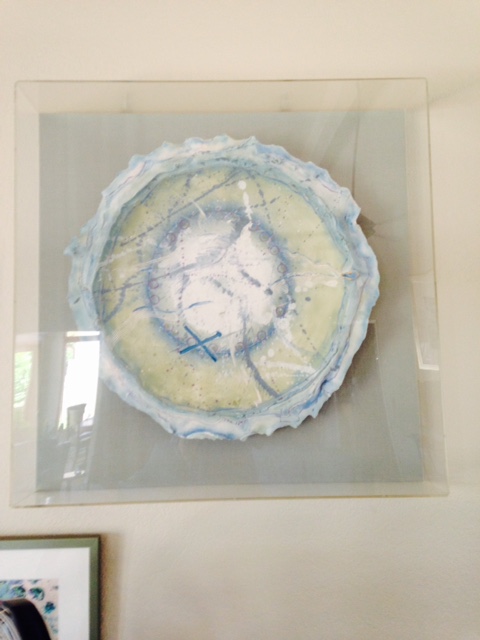
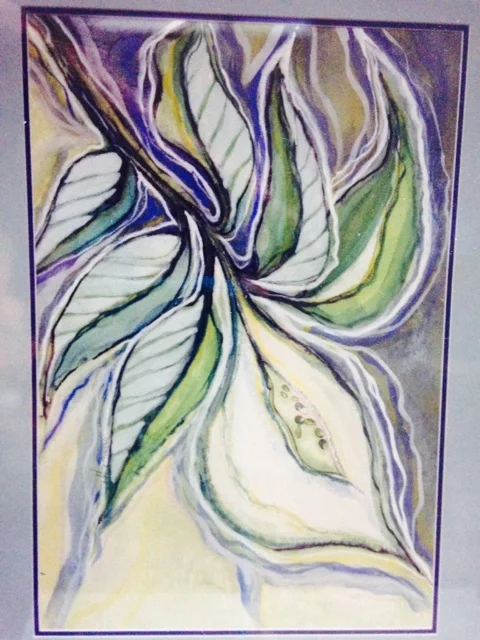
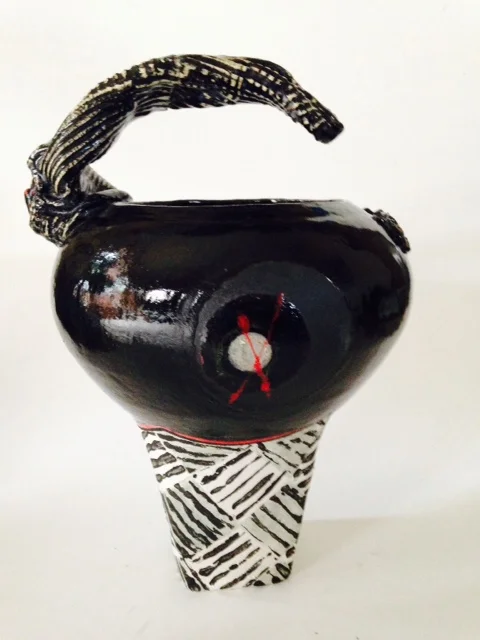
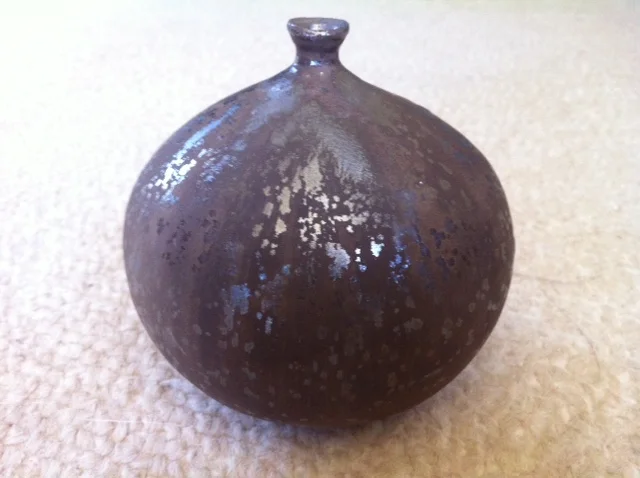
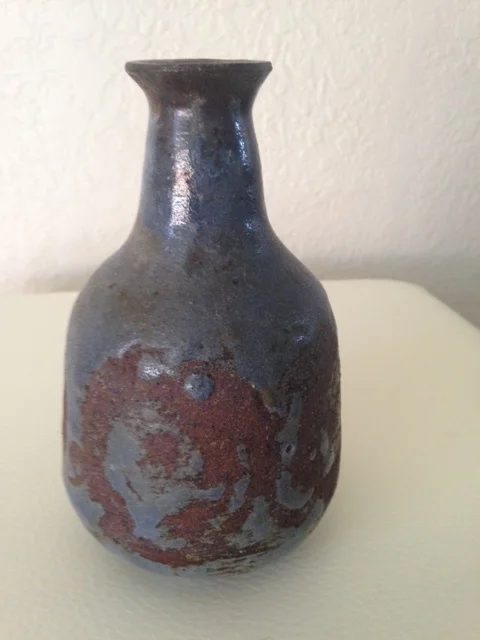
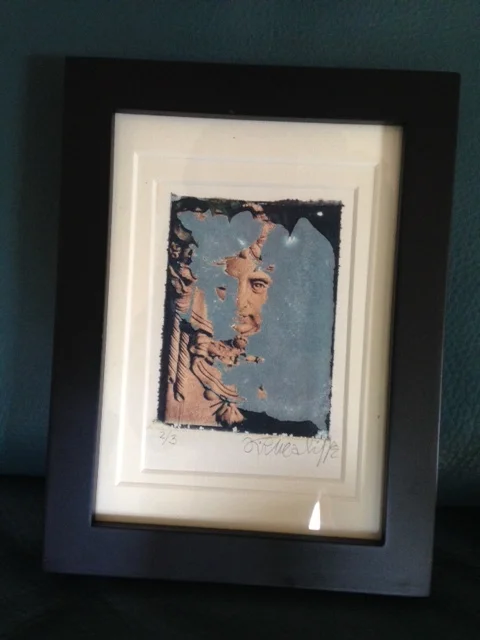
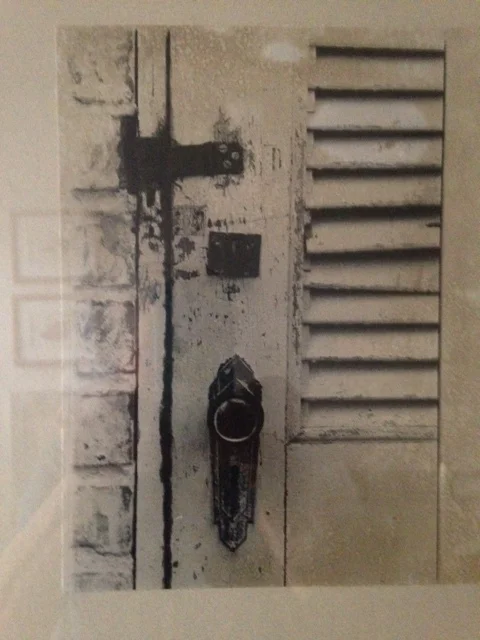
♪
Trenton ReynoldsIt is Tuesday, August 2, 2016. This is Room in the Trees. a podcast about honoring the creators in your life who introduce you to new paths and greater potentials. The following was recorded on July 15th, 2016. This is episode 15, Mealif. Room in the Trees is hosted by Sabrina Harrison and me, Trent Reynolds. Show notes including pictures, links, video, and more for every episode can be found at roominthetrees.com. You can help us reach more people by writing us a review at iTunes.com. And if you like the podcast, please consider subscribing at patreon.com backslash room. And now, episode 15. I wanted to talk a little bit before we get into our conversation with Mila to give ourselves a moment to introduce her. And then after we listen to the conversation, we'll add a couple minutes for some takeaways. Does that sound good? Yes. Peace. Okay. What do you want to say about Mila?
Sabrina Ward HarrisonI'm just really grateful for the human being that she is.
Trenton ReynoldsYeah, me too.
Sabrina Ward HarrisonAt a time, she was ahead of her time, before her time. She's just... A timeless... I sound like a Hallmark card. She was...
To be remembered.
Sabrina Ward HarrisonSorry. Why don't you go first? I have to not be self-conscious about what I'm saying.
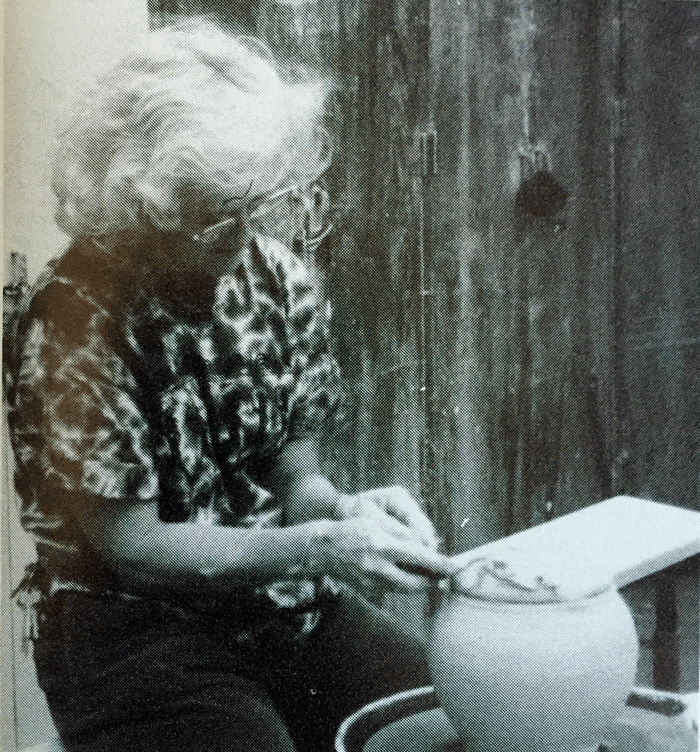
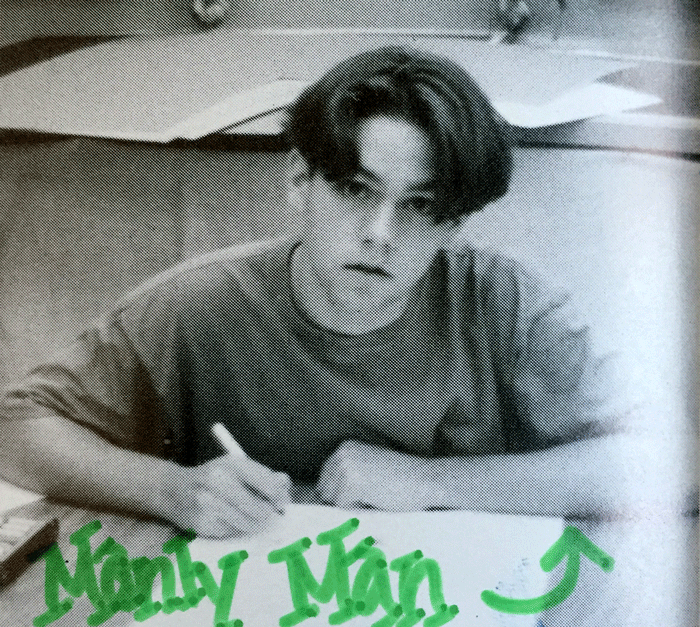
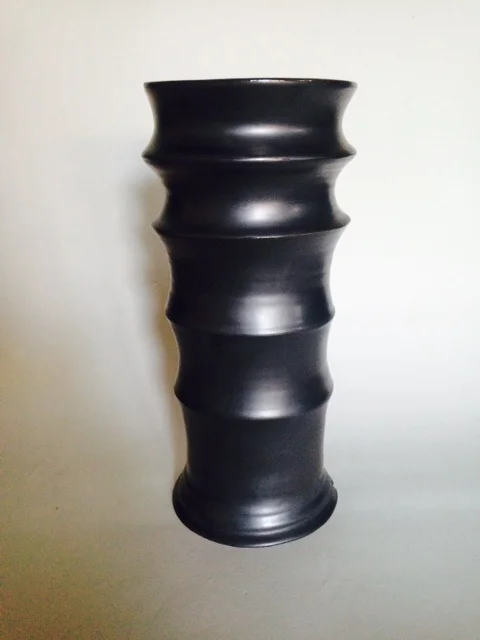
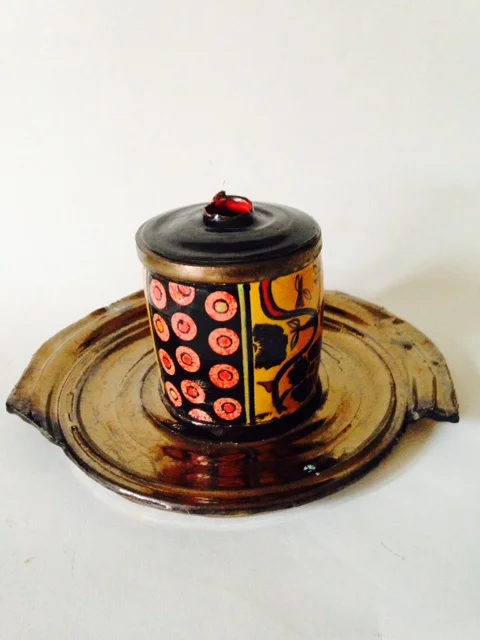
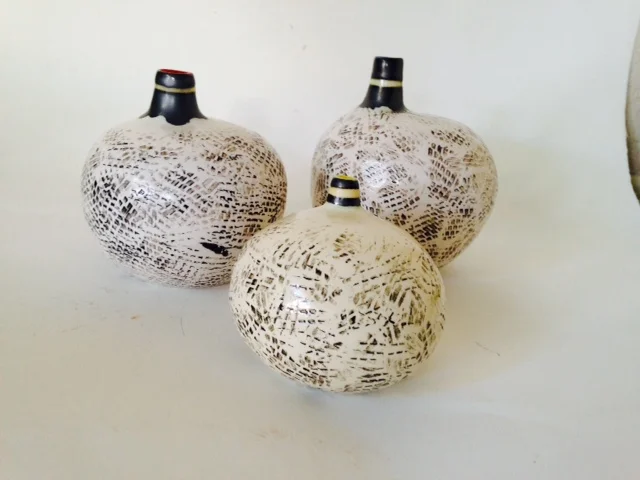
Trenton ReynoldsWhen I envision Mila, it's like super high energy, constantly working, constantly moving. Yeah. And she always made time for her own artwork. Whenever she was teaching, I always remember her own pieces sitting on her desk or her making time after school to stay around and work on a piece that she made. was putting together for some show that she was in. That's so true. And I also wanted to just mention or acknowledge, I guess, so people understand this about her, is that she single-handedly built, at least I'm sure there were other people involved, but I think to our view, she single-handedly built a very active and far-reaching art program. and inspired several generations of students to go out and live very rich and creative lives.
Sabrina Ward HarrisonAnd really help people through, really get a sense in this conversation, the emotional impact. gift she gave to so many young people. When do you remember first meeting her or finding out about her?
Trenton ReynoldsIt was in junior high. Some friends and I, for whatever reason, we found a way to sneak into the... you know the theater foyer? Yeah. Where they would have the big art show for the kids every year. So we found a way to sneak into that while they were setting up the big art show. And we were walking around looking at people's artwork and Mila walks in. And we knew we weren't supposed to be there. And she was charging in in normal fashion. and I remember she screamed, she didn't scream at us. She talked very forcefully. What are you guys doing in here? You shouldn't be in here. And I, I believe I might've peed my pants a little bit.
Sabrina Ward HarrisonYeah. She had a way about her like that.
Trenton ReynoldsYeah. She just like got up right in your business and, you know, you know, let you, let you.
Sabrina Ward HarrisonAnd she would talk to you to this day that way. If she, if she wanted to,
Trenton Reynoldsif she felt like you need, but it wasn't,
Sabrina Ward Harrisonit's weird. Cause it wasn't like she was mad, but I mean, she just would, she was also could be mad, but she could get really mad.
Yeah.
Sabrina Ward Harrisonshe could get really mad. What's your first memory of? My memory was being in junior high and seeing her,
um,
Sabrina Ward Harrisondashing around the high school. Cause she just really stood out. Cause she just was, you know, she always had a bit of clay on her arms. She was always said, you know, you remember, and she would have her little shorts on, um, kind of like safari short shorts. I just remember thinking she was so interesting and cool, and I couldn't wait to be able to get to take Havre as a teacher. She symbolized what high school was going to be like. I just wanted to be a part of what she was doing.
Trenton ReynoldsSo let's jump into our conversation with Karen Ring-Milif, known by her students simply as Milif.
Karen Ring MealiffeI don't feel like I just taught art. I think I taught human living and tolerance for things in life that people don't really understand or didn't understand even then.
Yeah. You know, about humans. Right.
Karen Ring MealiffeI mean, think of the people that, well, and you were already gone then, that were the special ed kids that were failing every class. So they'd send them over and say, oh, Neil, if you take care of them. Well, these poor kids have been pushed around, and you have to find the one thing that appeals to them. And if art did, which many did, that's how they could speak through their art. But they were failing their other classes, right?
so I mean
Karen Ring Mealiffehow do I draw a line with students that was hard Trent because I love them so much all of them and I tried to help every one of them that I could whether it was to go forward you know and if you stop and count the number of our students from La Cunada High that are now artists and who left La Cunada High and went to art schools and took art careers. I mean, it's really pretty amazing. So you kind of have to instill in the students that, yeah, I have a personal life, you know, and draw the line. a certain extent, which I think I did, mostly.
You did.
Trenton ReynoldsDon't you think? Absolutely. I think you were able to find a way to kind of create your own space and keep us at a distance enough so you're not smothered, but also communicate very much that you love us and are encouraging us. I think that was one of the things that really stands out is that I felt loved in that class.
Karen Ring MealiffeWell, I wanted everybody to have a safe place to be. And not all kids felt safe in that school, you know. And you know how kids are in high school. There's cliques and bullying and, you know. And I don't think I allowed that in my class. I think I tried to treat everybody the same way.
Trenton ReynoldsDefinitely. There are things that you would not tolerate. And I think one of the ways that you created boundaries was by speaking up and not tolerating those things. Like you're creating boundaries that kept it safe for everybody to be there and feel like that they could exist and be creative without worrying about being bullied or feeling.
Karen Ring MealiffeWell, I hope I did that. That was my goal.
Right.
Karen Ring MealiffeBecause I was I was never treated that way. school. I didn't know where I fit in. And fortunately I had enough friends that understood me as an artist even in high school that it worked out. Of course I didn't end up going to the colleges they went to and the sororities and all that stuff. I was just always me. And I wanted you guys to be able to be you, no matter where you were in life and what your art abilities were. And you know that some kids were not very good in the class, but you try to make them feel good anyway, because not everybody's on the same plane.
Right.
Karen Ring MealiffeRight. You know, if you think about it. Yeah. So, of course, I won't lie, Trent. You know me. I never have. I won't lie that I didn't have my favorites. Of course. Try to keep that to yourself. Right. You know, you do. And and kids like yourself and Sabrina. Yeah. I really kind of lost touch with Sabrina in a lot of ways because she's moved around a lot. But a lot of kids, the ones that really, really worked hard and have gone places, I'm still in contact with a lot, a lot of students. And, you know, I just had one who came and had lunch with Elaine and I.
That's awesome.
Karen Ring MealiffeAnd brought her significant other. I mean, that's kind of amazing, don't you think? They're in their 30s now.
Yeah, yeah.
Trenton ReynoldsWhen we started this podcast, you know, we started having conversation. For both Sabrina and I, you were at the foundation of that conversation every time. You kept on coming up because you're such a point of reference for us. you know, and you were there at those formative years, um, that so much of your outlook, so much of your approach and your energy has just infused into, uh, you know, all sorts of different aspects of our, our understanding of, of creativity and what we're doing. So. So it makes total sense to me that these kids are coming back years later and wanting to reconnect with you because you're there every day in their world.
Karen Ring MealiffeWell, I hope so. They're in my life permanently, all of them. especially the ones that I'm in contact with now. And, you know, it's like you and I, I mean, we don't talk every day. We don't talk every month. But when we do talk, we talk. We talk about art. And then, you know, all the other things in life that are important, your family, whom I've always respected and loved, you know, your parents. You know, and there's another aspect of art. I mean, how many parents did I have to go to the mat with to understand what I was trying to do with their students, you know, to help them find what I saw in them?
as who they were.
Karen Ring MealiffeTheir creativity was art. But parents would say to me, what can you do with art? Well, you're living proof, Trenton. Sabrina's living proof.
Trenton Reynoldsyou know well what's amazing to me is that you were able to create a space just talking to you now and realizing like Sabrina is and I are so different in so many ways and you have this this history of students that are that have gone off and done completely different things and you were able to create an environment that was open enough and that was that flexible enough I guess that you could accommodate all these different kinds of exploration that led people in completely different directions. That's just amazing to me, that so much variety could come from those, fairly, you know, simple art classes.
Karen Ring MealiffeWhen I moved up here, one of my former students, and he was before your time, I'm thinking, I don't know if you remember Corey Peters and Willis Heaton. Yeah, that was my time. Yeah, Willis lives up here. And Willis and I, two years ago, were in an art show here in Carpinteria together.
Wow. That's cool.
Karen Ring MealiffeAnd, you know, it was very cool. It was very cool to do that. And we laughed, and he came to the reception. And one of my other students, who's now an artist, before your time, said, I think she's like 10 years older than you guys, but she went to RISD and she's a graphic artist. She's great. Anyway, her parents lived here, so she came to this art reception. Tina Lafferty and Willis and I took a picture together. It was kind of hysterical.
Trenton ReynoldsThat must be a fascinating transition to see a student who make the transition from student to peer. I don't know, I imagine that's
Karen Ring Mealiffecool to see. Well it's kind of heartwarming for me to be involved in this and to see you guys out there doing these things. You know and I'm always honored when I hear from any of you. You know it makes me feel good about my own work as well as yours. Yeah it should make you feel good. I think it's a
Trenton Reynoldsa wonderful accomplishment.
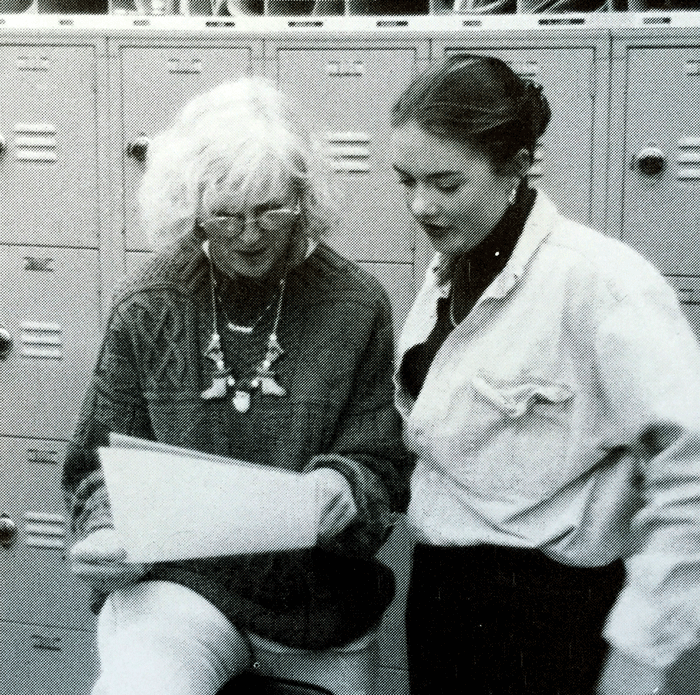
Sabrina Ward HarrisonAnd it affected the whole course of our lives. I mean, if it hadn't been for you saying, get your head out of your ass and go up to CCAC, I remember it like night and day. I remember exactly where we were standing on the side when you walk in the classroom on the right, there was like a ledge, and I just knew, and I just did. And I just have.
Karen Ring MealiffeWasn't I a little blunt that day?
Sabrina Ward HarrisonOh, you were always blunt. That's what we loved. We've talked about this before, about the authenticity of it.
Karen Ring MealiffeI just didn't want you to waste your time at some Arizona goody-goody two-shoes shoe. It wasn't you. It wasn't you at all.
Sabrina Ward HarrisonYeah, it empowered me, just having someone say, you've got this. especially as someone who was, we talked about this last week, about I'm not, never have been a high achiever. And so when I discovered photography and just beginning to, you know, it was later, it wasn't like I was doing it in seventh grade or, but just discovering that later into high school and then being empowered to follow it was exciting and kind of like, I could, I really, I could do this. I could do this. I could really go for it.
Karen Ring MealiffeDo you guys ever really know why I was the way I was as far as getting you guys off your duff and doing what I thought you guys could really do? And I'm speaking to both of you, but to others too, was because my high school teacher just looked at me and said, you really are nothing. Karen and your artwork sucks and you're never going to make it and I'm not even going to recommend you to an art school wow that felt really good and so I transferred out of this person's class in my senior year because I thought this person this teacher was behind me and I went to another art teacher who taught crafts and she's the one that said you know get out of there and I'll get you where you want to go and she did but you know because of that because of that incident was the reason I thought the reason I teach is to support and encourage my students no matter what they want to do in art and so that was that was why I was blunt I mean there's no way I was going to let you guys not do what you were meant to do
Trenton Reynoldswell and part of supporting us was being blunt when we were being idiots or when we were being lazy or when And, you know, when we weren't fulfilling the potential that you saw, you weren't, you did not pull punches, you know, in letting us know. I think that's an important part of the equation that I think people miss is it's not just about being nice and encouraging and fluffy. You know, you also need to hit hard when it's called for, right?
Karen Ring Mealiffewell exactly and who understands now dear you know they understand get your head out of your ass and get on with what you need to do you know I mean kids don't listen to that kind of namby pamby talk not anymore I mean and I know it's worse now than it was when you guys were in school I mean they they tell you what to do but if you're not strong and I wasn't I'm kind of a I'm kind of a really private, quiet, not an aggressive person in my personal life. And so it wasn't really always what I was like. It's what I knew I had to do to get you guys to do what you were meant to do with your work.
Sabrina Ward HarrisonThat's so interesting. If it worked, hey, I'm happy.
Karen Ring Mealiffehappy and like I said I'm honored.
Sabrina Ward HarrisonAnd you know what I think it also it affected when I think about it because I remember the way my parents reacted. My parents got excited by your decisiveness and you know I remember my parents being like okay Mila's like on this and said you know let's do this and you know we flew up there I really remember how you rallied my parents too to support and
Karen Ring Mealiffeand you know I guess you guys are living proof I was living I was thinking not really I'm sitting here I'm sitting here on my sorry ass right now at 75 and every month I look at the mail and I said oh my god I have I have a check coming in because I was an artist and taught art all through my life. And so, you know, when parents said that to me, I said, well, I sort of think that going to art school was really what my life should have been about, and it will always be. And that's the way I feel today at 75.
It's who I am. You know? Yeah. Yeah.
Karen Ring MealiffeOh, and, you know, it's just a grand honor to see what you guys are doing out there. And as Trenton said when you were off, Sabrina, you guys are both very different in your art and in your approach. Yeah.
Yeah. as I might. But you know what?
Karen Ring MealiffeThat's okay. That's what life is all about. And the other thing I was going to say, life is short. You know, that's why you have to get your head out of your ass and get on it. Because tomorrow's coming, and if you don't get out there and do what makes you happy, I don't care how much money you make. I don't make a lot, but, you know, I'm still standing, so it's good enough.
Yeah.
Karen Ring MealiffeSo, that's the thing, carve your time for your art. You always have to do that.
Sabrina Ward HarrisonTeaching art, you know, where both of us teach and have a workshop in small groups, what -- and you were dealing with so many students. coming in and out and in and out, and people that were very quiet and introverted and serious about their art to people that were just like, yeah, art class, we're going to just mess around and chat and gossip and didn't care a lick about it.
Trenton ReynoldsSee where that got them.
Uh-huh.
Sabrina Ward HarrisonSo, talking about what makes a great teaching environment for you, because there was something, I know, even just down to like how we had the tables set in that circle, and just dealing with demos, and then also dealing with difficult people, where you had these people that were really interested, and then you just had these people do the
Karen Ring MealiffeI think what you have to do, and I try to do this, is put them in their place. I mean, you know what I used to say, you know, this is an elective. And you see that door over there? And if you don't want to be here and you don't want to work and learn, you know, don't let the door hit you in the ass on the way out because I don't need to deal with you. And I think that was my approach, you know. because there were people there that wanted to learn, people that needed that class to survive the rest of their life, or their life at home. And that happened. I mean, I found out things I didn't want to know. And this was their world. This was a place that they could come to that was safe.
Yeah.
Karen Ring MealiffeAnd even as I taught my adult class after I retired from Locking High, I taught adult classes for eight more years, was I think it's the attitude you create in the classroom, Sabrina. Your attitude with your students will create the atmosphere that you want. And the circle for me in the classroom was when you have 36 kids, all there. Some don't give a damn what they learn, but you make them present to you and the rest of the students all the time in that classroom. And so if the enthusiasm is there, it's going to rub off somehow. Whether, you know, whether it's your teaching or whether it's someone else in the classroom that you're going to learn something from and that's a big factor.
Hmm.
Karen Ring MealiffeSo, we learn a lot from each other.
Yeah.
Karen Ring MealiffeYeah. By watching and seeing. That's how little kids learn. You know.
Sabrina Ward HarrisonIt's so cute. He did it. I, he did it.
I can do it. Yeah.
Sabrina Ward HarrisonI remember your desk was insane. Your desk in the ceramic room and then the art room. It just had such a visual. Your shorts, your kind of rolled up shorts that were like off-white or something.
Trenton ReynoldsYeah, I got lots of looks at the grocery stores, trust me.
Karen Ring MealiffeWell, I was thinking about a student, you know, you're talking about art students. I think he's too old for you guys, but a guy named Dave Otten. Anyway, he was in my ceramic class and God, I haven't seen him forever. He's gone into the restaurant business up here in Pismo. He called me. about, I don't know, six years ago, Elaine and I were in Carmel, and he called, he said, Beliff, this is Otten. And he was a great, big, old, heavy-set guy. He was just jolly, one of those kinds of guys. And he said, you know, I got laid off from my job, but he says, I went to a ceramics class, and he said, you were right.
Right.
Karen Ring MealiffeYou just like riding a bicycle. You fall off and you get right back on and you know what you're doing. So he says, I'm doing pretty good for an old guy. That's so great. Anyway. So you create the atmosphere for the students.
Mm-hmm.
Karen Ring MealiffeYou know, it's what you see.
Trenton ReynoldsAnd I think the point there, too, is that it doesn't have... It's not going to be... That atmosphere is going to change depending on the personality of the teacher, and that's okay. Like, as long as it's real, as long as it's authentic, the exchange between student and teacher, the atmosphere can become its own kind of creation, you know? It can... can take the form that it needs to take, depending on the person. I've had the opportunity to teach briefly at high school. I've taught at college, and I've taught more than any other group. I've taught retired adults.
Karen Ring MealiffeWell, that's what I did after La Cañada.
Trenton ReynoldsYeah, it's a completely different group, a completely different time in life. But in each place, I think I was always the same person, and I think my priorities and my interests as a teacher and what I was trying to evoke and bring out of the students was the same. But the character of the classroom definitely was shaped differently just by the relationship between where they were at in their lives and where I was at.
Karen Ring MealiffeExactly. But again, you create that.
Right. Yeah.
Karen Ring MealiffeI found older adults to be, you know, sometimes as much of a challenge as high school or junior high school students. I mean, I've taught all levels and I taught in college for. a period of time but sometimes I found the retired adults to be as much of a pain in the ass pardon me for saying so that could have been me I suppose but you know as young people you know they can be you know, overbearing and want your attention as much as, you know, a younger person. So I think you have to, you know, allow yourself that. And Trenton, you're right. You set up the classroom according to the level of each group, and yet you're still the same person. You're still the same teacher.
Right.
Sabrina Ward HarrisonI think there's something. In my workshops, I have a lot of people that come that are in there. I think come, and it's not a consecutive course, so it's like a two-day. And they come, and they want to be freed, and they want to be inspired, and they want to make stuff that's really... alive and sometimes they want it to look like my work and they want it not tomorrow, they want it now. They want to be loose and free and they want to be happy with what they made. And it's really, can be really hard to try to, and some people already are, but then there's people in the group that are just like, well, I don't like how it looks, but, and there's, and you're just going, oh my gosh, it's, it's so much pressure to try to sort of liberate people in a couple of days.
Karen Ring MealiffeThat's true. Especially in workshops. Yeah. I agree. Yeah. But, you know, again, if you are a person that you are and the teacher that you are with your own art and everything, you know, they have to learn to fly on their own. It's sort of in a way like we raise our children, and I know you understand this, Sabrina, is that you give them all the values and all all the things in life, whether it's clothes on their back or whatever, you give them everything. And then you release them to fly on their own, to make their own lives. And it's the same with art. You have to release them to make their own art and to be able to fly on their own. You know, you give them the wings, but you don't make them fly.
Right. No. Yeah.
Karen Ring Mealiffeso yeah you guys are so great doing this please keep me abreast of what you're doing I appreciate it I'm like I said I'm honored and I'm always proud of you
Trenton Reynoldsso Mila I want to thank you for for making time for us as always it's wonderful to catch up with you and really Appreciate you. Love you.
Karen Ring MealiffeWell, thank you guys for including me. I feel honored. You know, I'm glad I got your sorry asses in the right direction. Exactly. That's what I was going to say. Amen. Thank you for that. Amen. And Trenton, come up and visit. I will. We'll put a leash on the little girls and they'll be fine. Okay.
Trenton ReynoldsWill do. All right, guys.
Sabrina Ward HarrisonLove to you, Sabrina, and your family. I will. Okay, bye-bye.
Bye-bye.
Sabrina Ward HarrisonThere you have it. Melef. The woman, the myth, the legend.
Yes.
Trenton ReynoldsDo you call her Karen now or do you call her Mila? I call her Mila.
Sabrina Ward HarrisonDo you guys go on that Karen level? Are you?
Trenton ReynoldsThere was a time, and I think it actually still is this way, where I feel uncomfortable calling her Karen because... did you call her karen at some other point never well yeah no i think over the course of the last several years i've seen her on off on and off on several occasions and uh didn't know whether to call her karen or mila when everybody else like i was at uh i can't remember where i was at but she was there and her special birthday party yeah yeah yeah it was her special birthday party that's what was and everybody else was calling her Karen so I kind of felt like well maybe it's time to like be a grown-up and not her student and call her by her first name I don't know so I I called her I called her Karen then and I still feel like I should be calling her Karen but it feels really uncomfortable to me. I want to call her Mila. But you call
Sabrina Ward Harrisonher Mila. I call her Mila. I always will. I go back and forth. And if she has a problem with it, I trust she will tell us.
Trenton ReynoldsYou can trust that. Yeah.
Sabrina Ward HarrisonIt's satisfying to have people that are like that.
Trenton ReynoldsI guess I also want to feel like, I don't know, I want to feel like that we're peers now. I want that kind of relationship.
I don't. No. Fair enough.
Sabrina Ward HarrisonI like that certain people in my life are going to always be elders to me.
Trenton ReynoldsThat's a good point. That feels right to me, too. So, takeaways.
Yeah.
Sabrina Ward HarrisonWhat was something that stood out to you, Trent?
Trenton ReynoldsI thought it was interesting. She mentioned in her private life, she's a quiet and reserved person, which is not at all like those two words. would never occupy my mind at the same time with thinking of Mila. That's not the person that she was as a teacher. She had to become something different. She was forced out of her comfort zone in order to create this environment that she felt was necessary for her students to have the experiences that they needed. You know, we talk a lot about boundaries. We talk a lot about doing things that are uncomfortable or unnatural to our kind of, our conception of who we are, like our identities, right? And I thought, what an amazing testament to the sacrifices that she made, that she was willing to put herself in such a... Like, become a person that was... you know, at odds with maybe who she felt most comfortable being. It was a gift that she was trying to give all her students. Like, she was doing that for us, you know, for-- to create an environment where we could-- that was safe, that was invigorating, that was inspiring, you know, so we could be who she felt felt the best we could be. I don't know. I thought that was kind of an amazing thing
Sabrina Ward Harrisonto think about. To think about how she really showed up. She was decisively present. Even if she's doing 80 million things, she was there. You didn't have any substitute me-luffs coming into class.
Trenton ReynoldsThere were no days off where she kind of tuned out. You never got the sense that she was giving anything less than and all of it.
Sabrina Ward Harrison- I think it energized her too. I think she probably, I don't know how you feel about this, but I feel like a pretty quiet person, but you know, once you get going, you know.
Trenton Reynolds- Yeah, there's that too. And I think that's one of the wonderful things about teaching is that you realize that even if you're a quiet, reserved person, that maybe sometimes it's kind of amazing and invigorating to be out like, charging, right? Another takeaway for me was just this attitude that she had that she wouldn't put up with, she just wouldn't put up with anybody's crap, man. And I had the thought that this is a kind of boundary making and a kind of boundary making that I personally am, am not very good at and something that I admire about her and I think is also one of those things that she probably developed through being a teacher that she just did not invest any energy in people's bs yeah yeah she had this attitude that and she says this and when we talked to her like this is an elective if you don't like it here then get out yeah and she did not apologize for her way of running things. And yeah. And I think that, that acceptance of her way of doing things and her, the way she felt like things needed to be was, was an important part of, of the atmosphere that she created or the space that she created for people to feel, um, feel safe, to feel empowered, to feel all the things that she, uh, inspired in people.
Sabrina Ward HarrisonAnd she was a real role model of someone living, being a really authentic human being. To me, a real individual, a really unique individual. And that was really classy, I thought. She was a class act person and and a role model.
Trenton Reynolds- In the beginning of this episode, she said that she taught tolerance for things that people don't understand. And I think that that is, that phrase I think is just kind of a beautiful way of saying a life lesson, right? Tolerance for things that people don't understand. Mm-hmm. Like, I think, and I get this in students a lot, where it's like, well, I don't know what I'm doing, or I don't understand why this has to be this way. And in art especially, in an art classroom especially, or a creative environment, it's especially critical just to create a space where it's okay that you don't understand. Mm-hmm. It's okay. It's okay that... you don't get it, right? And just to sit with that and accept that that's part of what this space is about, is not knowing, is not understanding. And to not get upset, not get angry, not get afraid, not, you know, I don't know. I thought that was just a beautiful sentiment. Taught
Sabrina Ward Harrisontolerance for things that people don't understand. I want to share one memory that really stood out to me was when I really discovered photography and my memory of, so the photography studio lab was not down on the first floor where the art class was. It was up on the third floor in the back of a science lab, forgetting what the teacher So I would go up there. She must have come up once just to show me where the chemicals were. And the chemicals were so old. So I would go up there and the school was all outside getting from the first floor to the third. floor was not an indoor activity. Right. And I was just going crazy, like falling in love with photography and just so excited about these pictures and so I would develop a picture and I'd be in there and then I would get the picture and I'd be like, I got it, I got it, and I would get it finished, the stop fixer and rinse it and then run downstairs and by the time I would get down to show me love it would have completely turned purple because the chemicals were expired so it just slowly go from this crisp beautiful black and white just like to this like kind of monotone brown purple But I would just try to erase it down there to show her. So I just said, but it was just the great looseness of learning that way where she wasn't like, this is how you use it. And having to have a teacher oversee it every single step the way, but more letting me kind of figure it out and explore it and you know, experiment with finding my own way to do it. And I, to this day, have deeply, deeply loved the process of being in a dark room and that kind of introverted time.
Trenton ReynoldsOne final thing that was a takeaway for me is when she said, that's why I was blunt. There was no way I was going to let you guys not do what you were meant to do.
Mm-hmm. Yes.
Trenton ReynoldsAnd I think that embodies the spirit of Mila. Like the love, the fierceness with which she approached her teaching, wanting very badly to help us be who we were meant to be.
Sabrina Ward HarrisonWe're so lucky to have had her in our lives.
Trenton ReynoldsAbsolutely. And she is that way to this day. I feel it.
Yeah.
Sabrina Ward HarrisonThank you, Mila. Thank you so much. You can find show notes for this episode at roominthetrees.com and you can support us by subscribing at patreon.com slash room. $5 a month would be so wonderful. And if you have a moment, it really helps us to reach more people. And, you know, keep doing this if we can. If you'd rate us on iTunes, we're reading your reviews. And thank you so much for taking the time. Thank you for your review, Glam Vintage Soul. And Laura Hartman, your subscription to Patreon meant so much. And your wonderful letter you sent us was awesome.
so meaningful.
Sabrina Ward HarrisonTrent's brother, Brent, did the music for the podcast. You can hear more of his music on SoundCloud by searching for Ventor's Stag Hotel. Let me tell you what you
Trenton Reynoldsgotta do this week. You gotta go out and you gotta find the people who are the creators, are the mentors, are the people that have helped you be who you are. And you got to tell them you love them.
Because they need to hear it. Yeah.